Smart ADAS vs. Full Self-Driving (FSD): 2026 Automotive AI Comparison
تفاصيل العمل
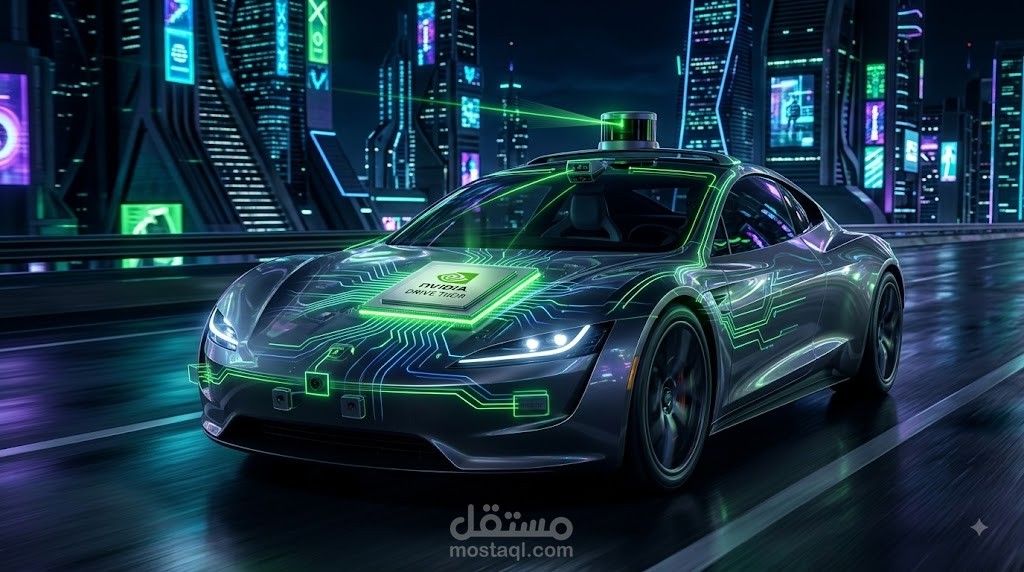
As electric vehicles and advanced driver-assistance systems evolve in 2026, the discussion around vehicle automation, energy efficiency, and mobile power solutions has taken center stage. Consumers are evaluating not only self-driving capabilities but also how to keep their tech ecosystem powered during long-distance road trips or remote off-grid travel
1. Introduction: The Evolution of Smart Automotive AI
Modern vehicles have transformed into mobile supercomputers. From full autonomous navigation to smart lane-keeping assist, vehicle software plays a critical role in safety, convenience, and long-term operating costs.
Understanding the fundamental distinction between Full Self-Driving (FSD) and standard Smart ADAS enables buyers to choose the right balance between high-tech automation and practical reliability.
2. Pros and Cons: Weighing Autonomy Against Driver Assistance
Every technological advancement carries trade-offs. Evaluating the pros and cons of each platform helps consumers align their purchases with reality rather than marketing hype.
Full Self-Driving (FSD) Pros and Cons
✔ Advantages (Pros):
Drastically reduces fatigue during long-distance highway road trips.
Eliminates human error caused by phone distractions, drowsiness, or delayed reaction times.
Continuous over-the-air (OTA) software updates continuously refine driving habits over time.
✖ Disadvantages (Cons):
Excessively high upfront software package costs or monthly subscription fees.
Unpredictable "phantom braking" behavior due to visual camera occlusion or sensor misinterpretation.
Complex legal ambiguity regarding accident liability between the vehicle owner and manufacturer.
Smart ADAS Pros and Cons
✔ Advantages (Pros):
Included as standard trim equipment in almost all modern consumer vehicles without recurring fees.
Highly reliable, proven sensor hardware that functions predictably under various climate conditions.
Keeps the driver actively engaged in the driving task, mitigating over-reliance complacency.
✖ Disadvantages (Cons):
Cannot navigate complex urban city streets or execute automatic street-level turns.
Requires continuous hands-on-wheel input and direct manual steering oversight.