Comparative Analysis of Machine Learning Models for Traffic Fatality Prediction
تفاصيل العمل
Objective:
Build an interpretable, ethically-evaluated ML system to predict traffic fatality risk using real-world national road safety data — supporting smarter emergency response, infrastructure planning, and preventive policy design.
Technical Approach:
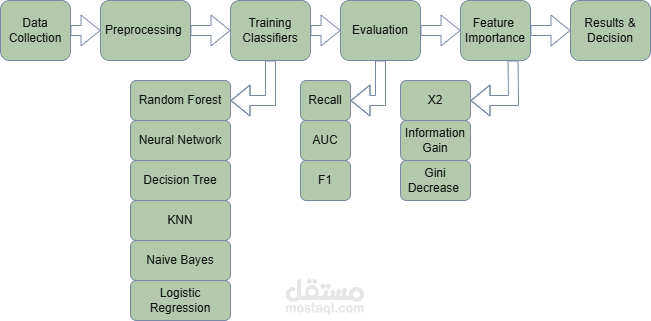
Ethical Modeling: Prioritized Recall over Accuracy to minimize missed high-risk cases, aligning model optimization with real-world safety impact.
Model Suite: Evaluated ensemble methods (Random Forest), neural networks, and statistical models for robustness and generalizability.
Interpretability: Applied feature importance analysis to extract actionable, policy-relevant risk factors.
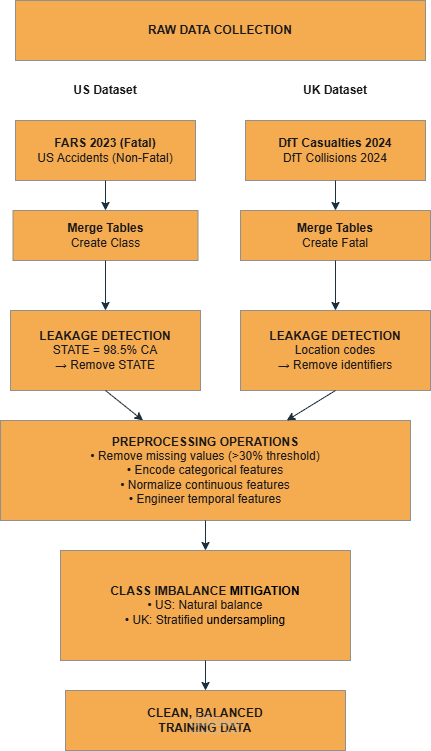
Data Integrity: Implemented rigorous leakage prevention protocols and stratified sampling to ensure valid, deployable results.
Key Outcomes:
Ensemble and neural network models achieved optimal performance when data leakage was controlled.
Statistical ranking techniques successfully identified high-impact contextual risk factors (e.g., speed, weather, road type).
Delivered a transparent, ethically-grounded framework for ML-driven road safety decision-making.