Arcade Games
تفاصيل العمل
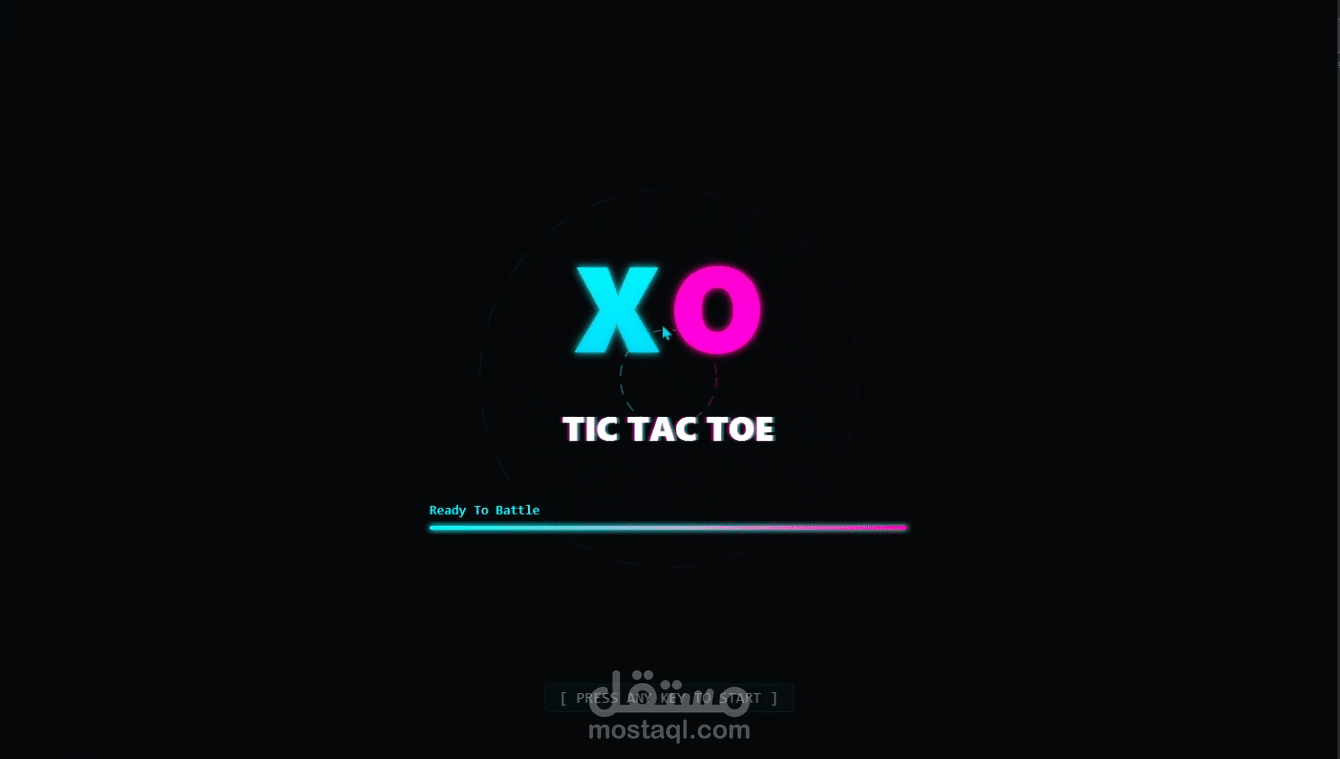
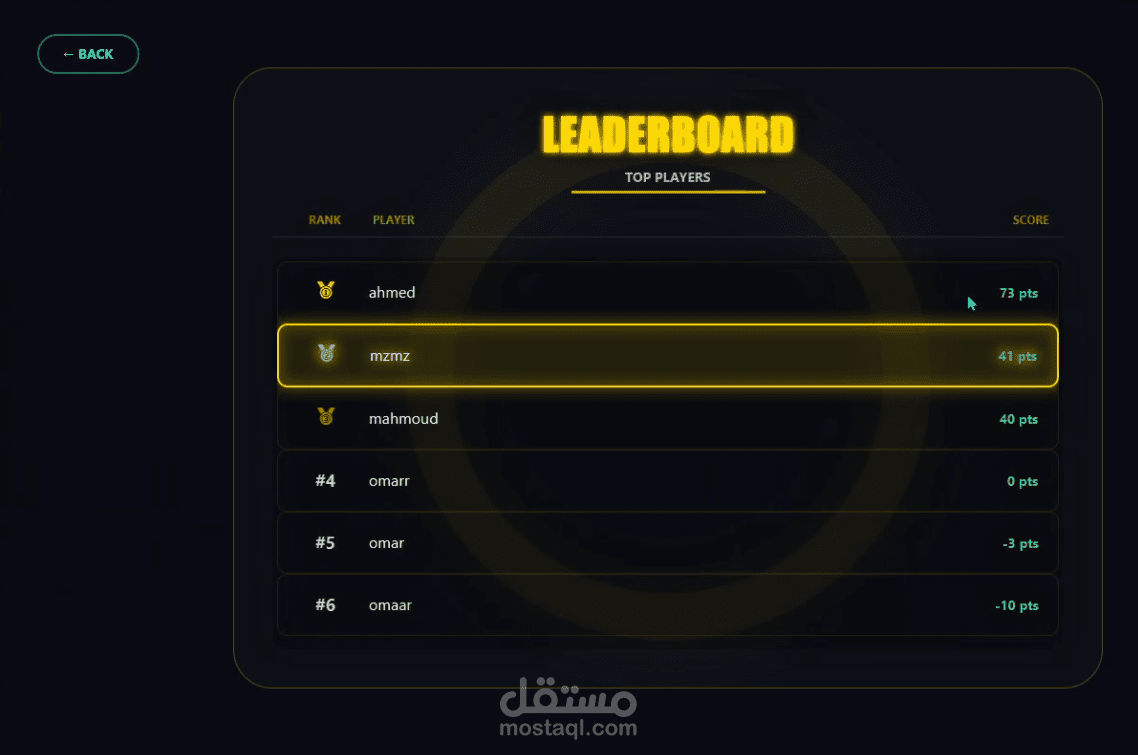
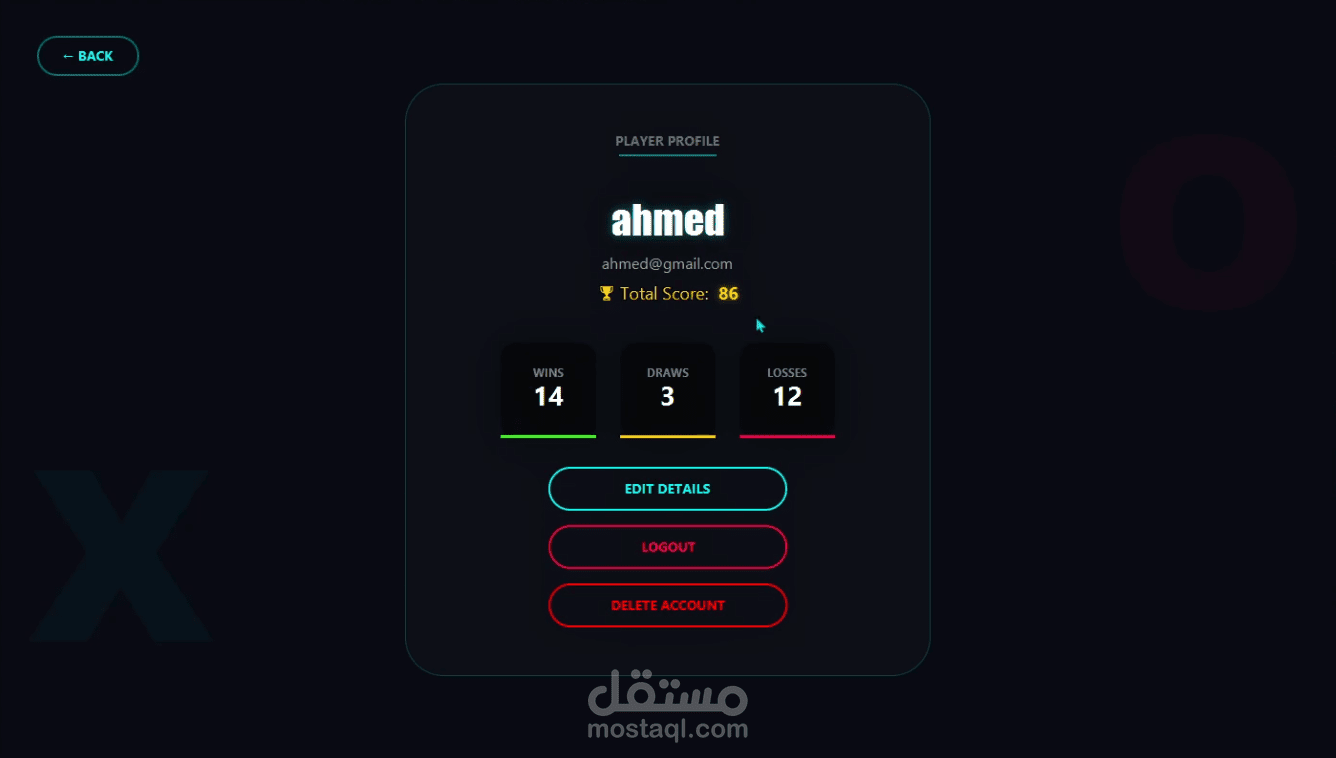
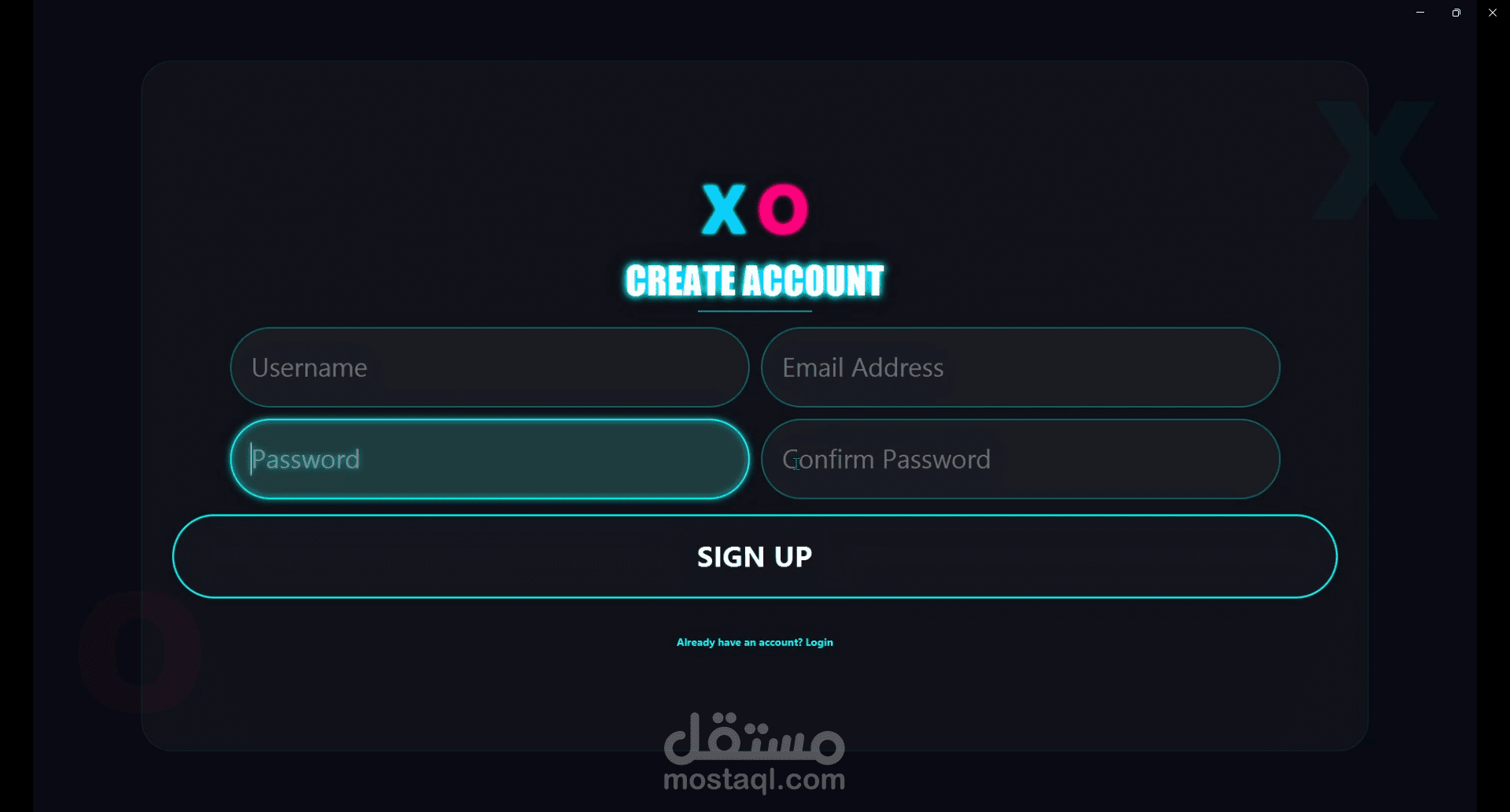
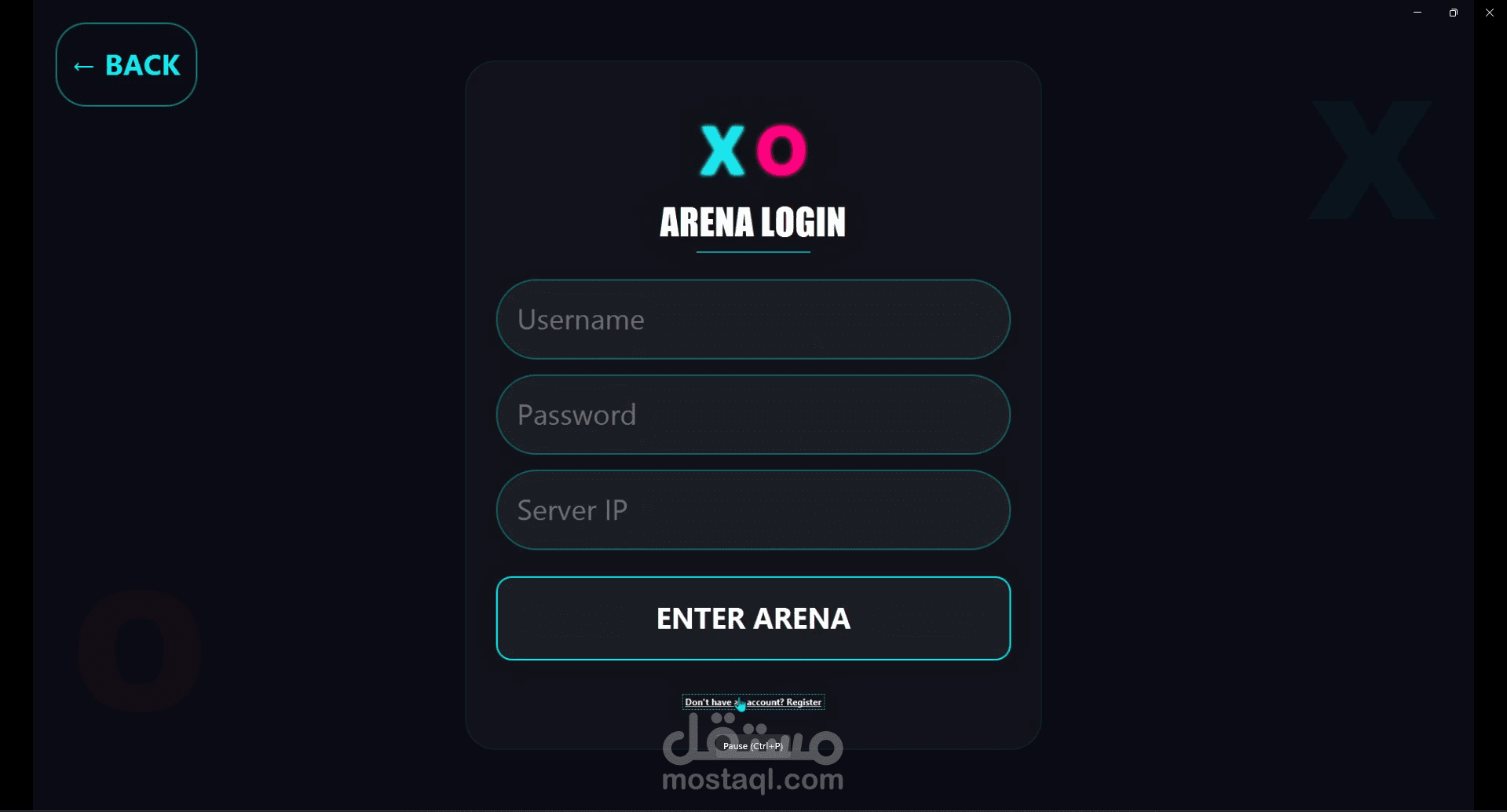
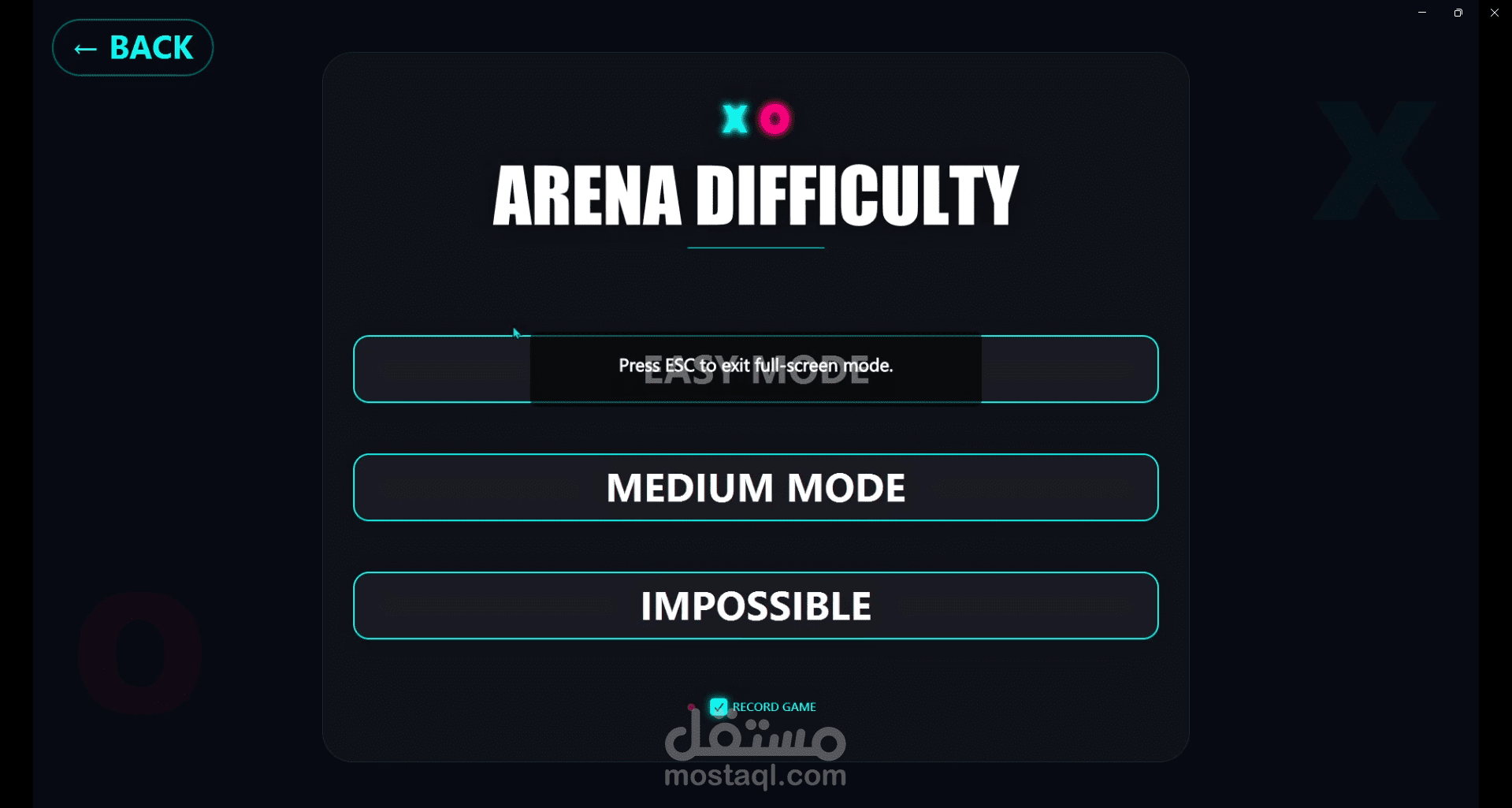
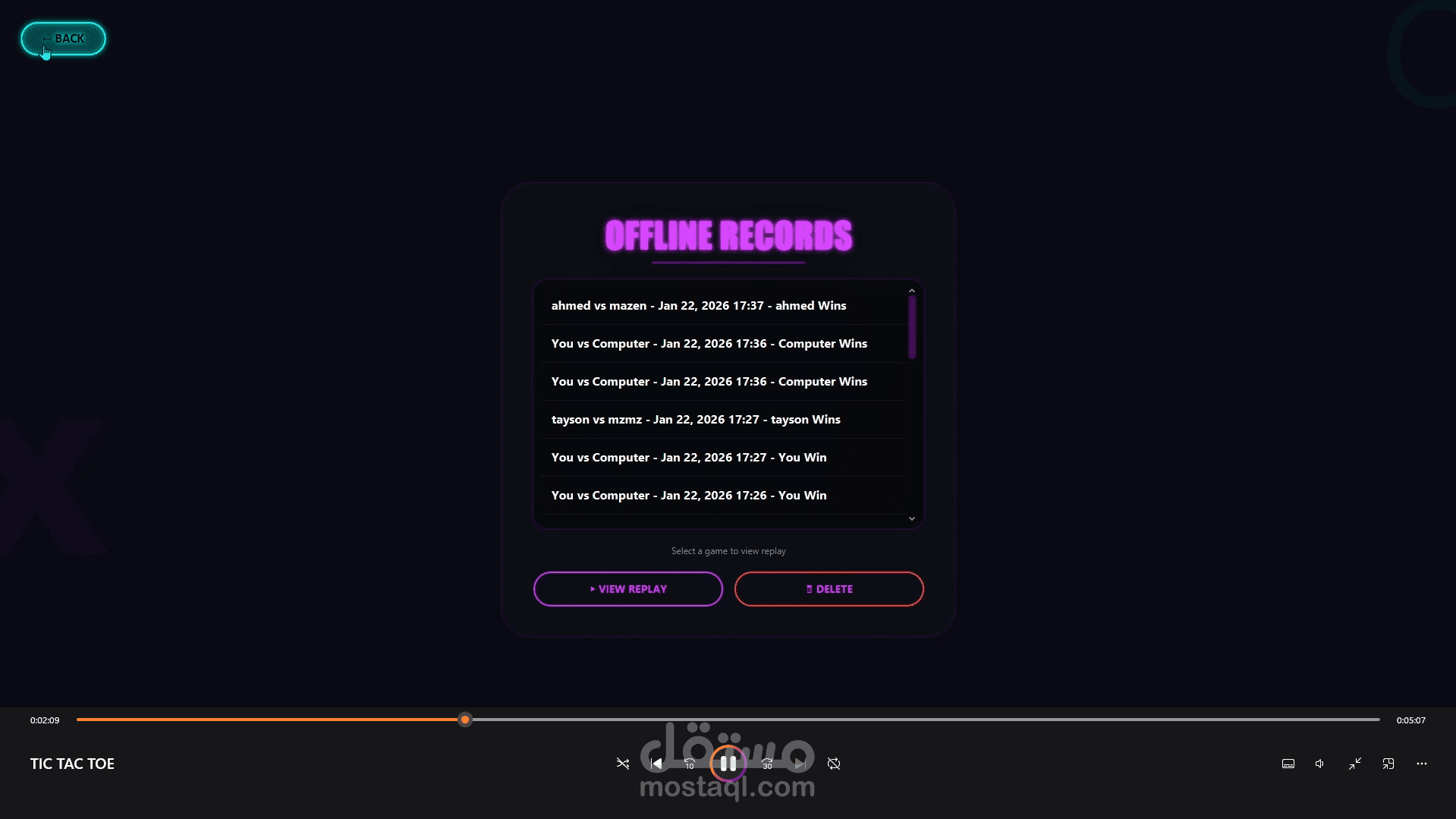
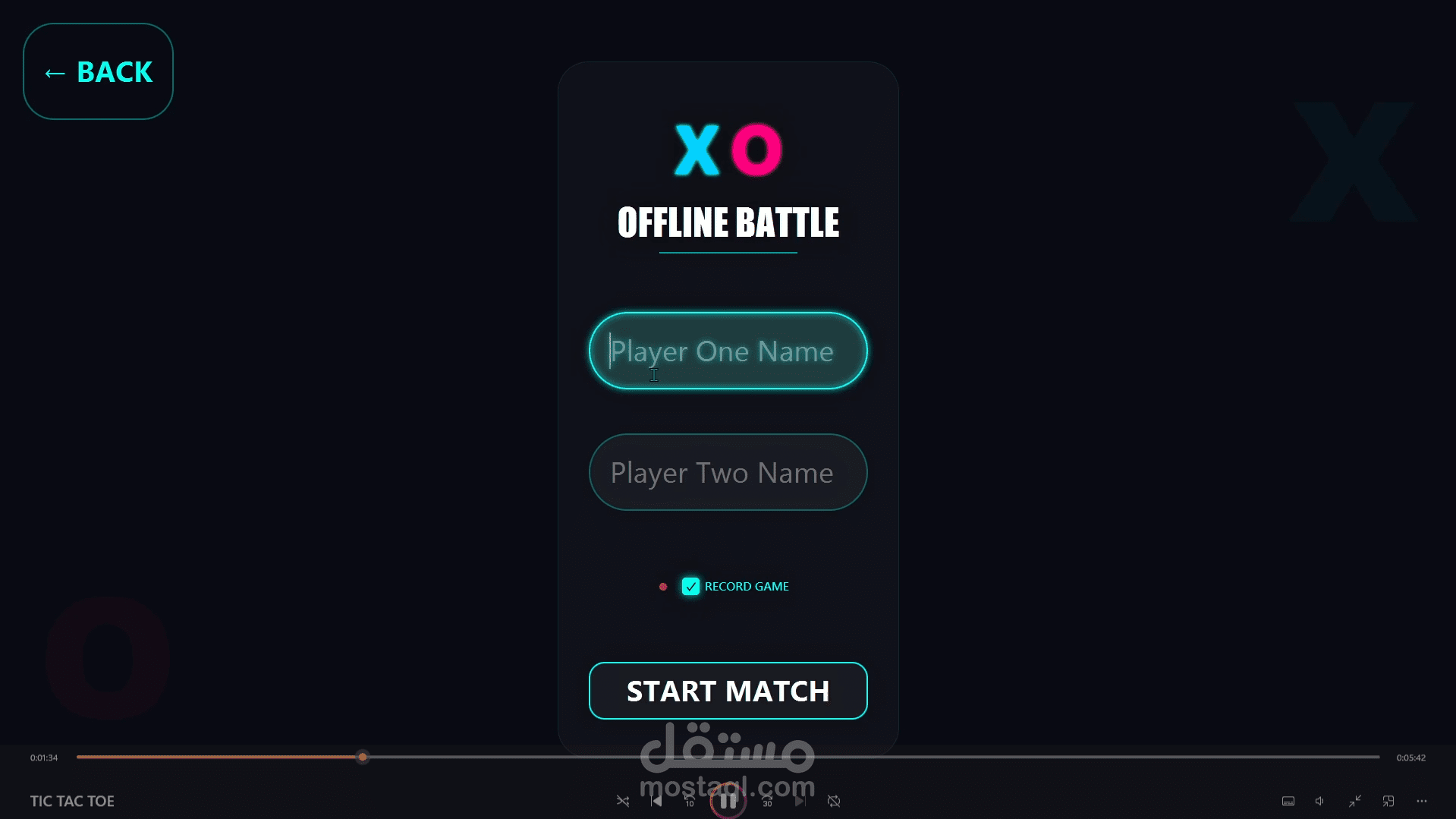
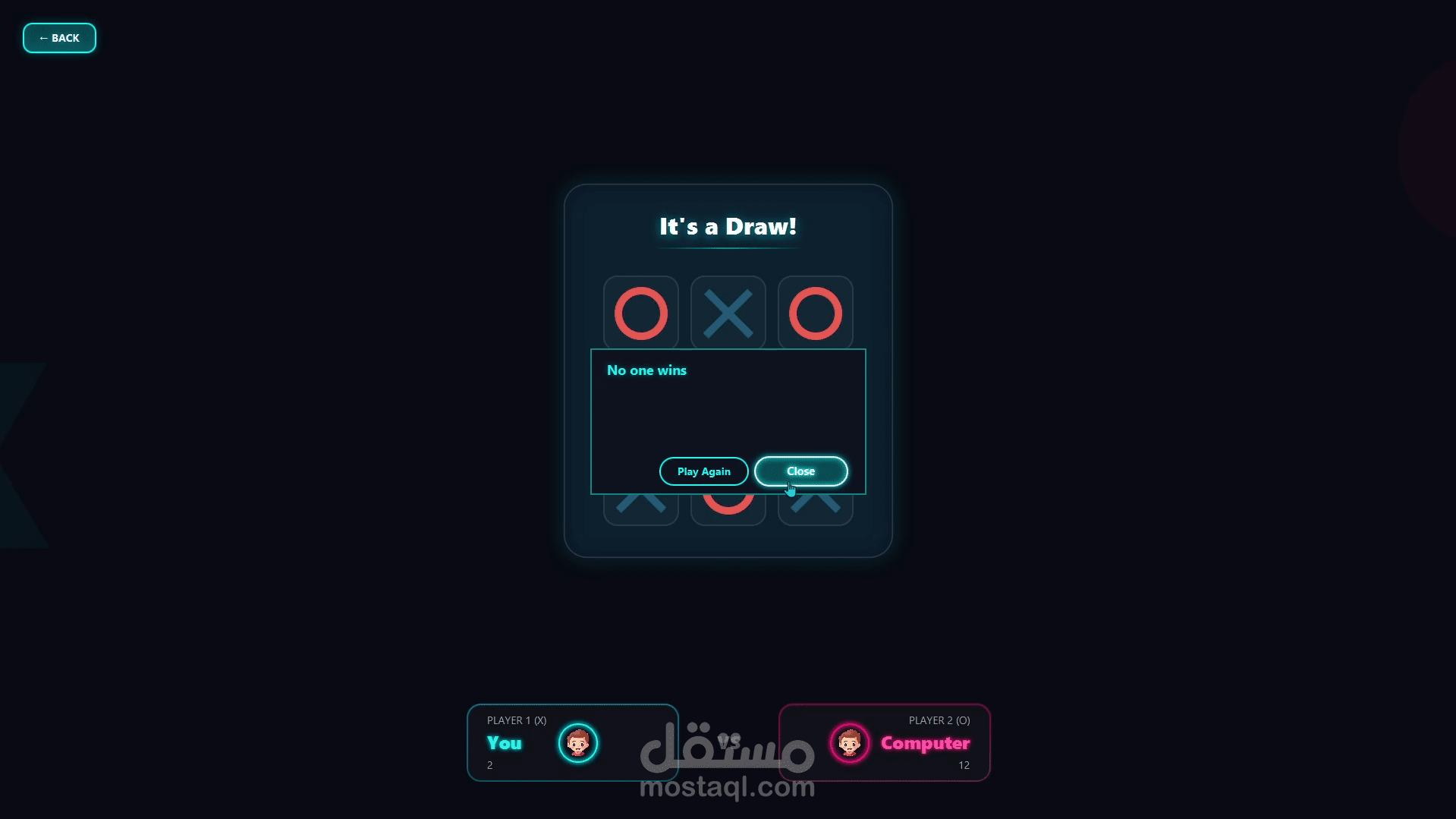
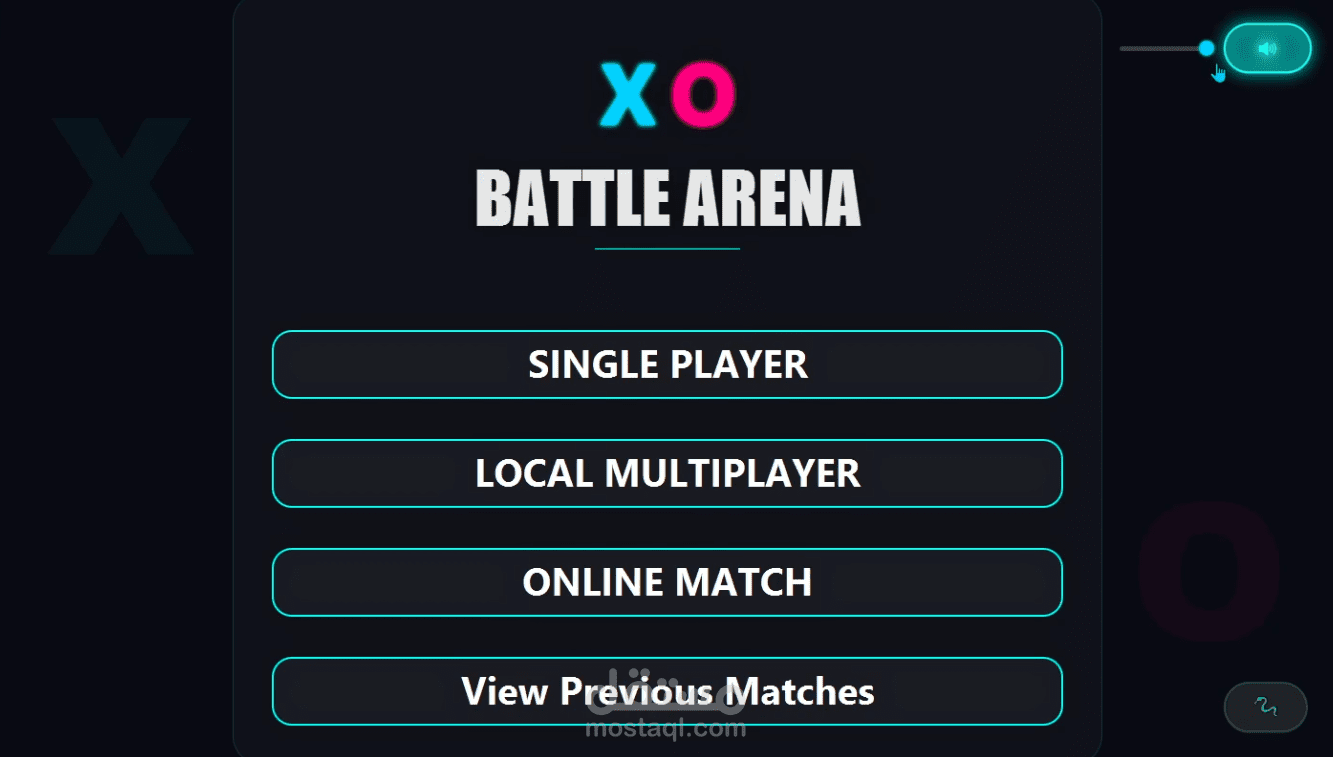
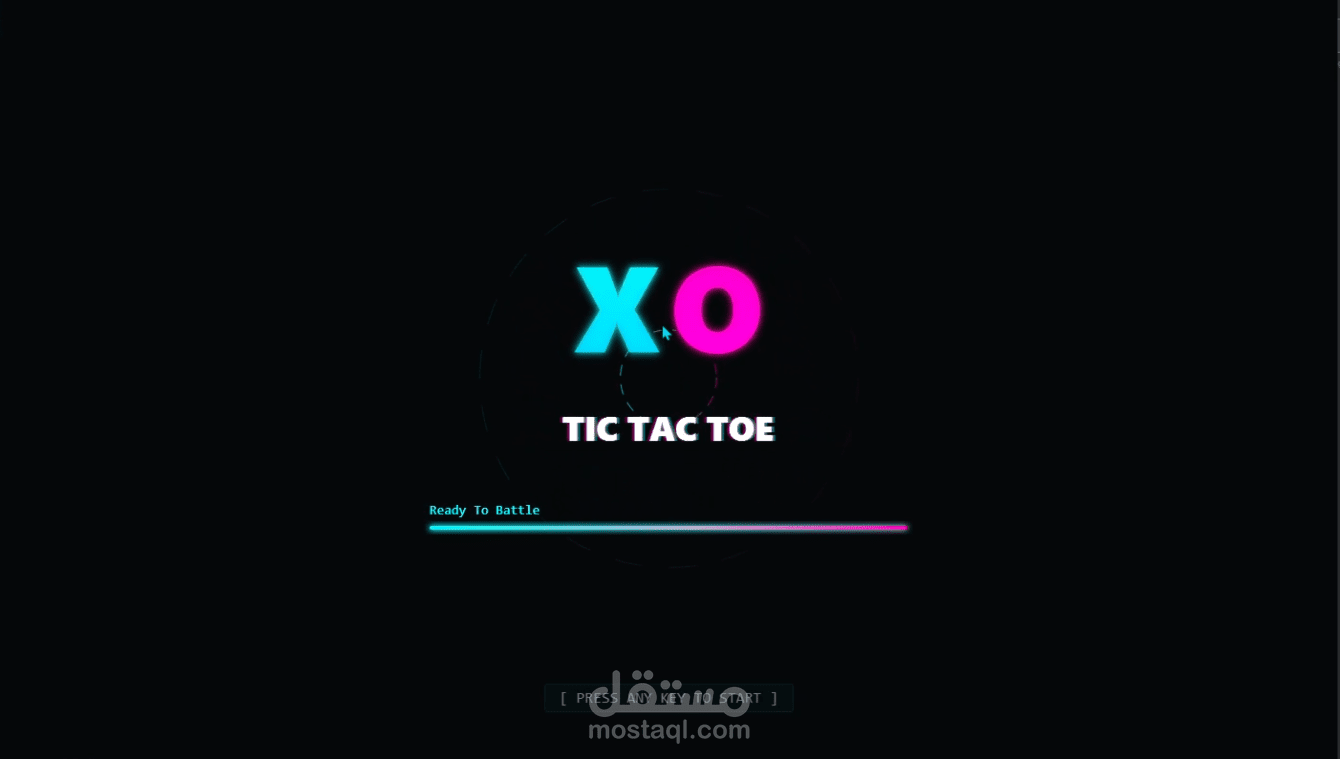
? Tic-Tac-Toe looks simple on the surface—but building a robust, real-time multiplayer system behind it is a serious engineering challenge.
I’m excited to share the final project of the Java Development track at the Information Technology Institute (ITI).
Together with my team, we built a fully featured JavaFX Arcade Application completely from scratch.
Our goal wasn’t just to make the game playable—we focused on scalability, reliability, and clean architecture, treating this as a real-world software engineering problem.
?️ System Architecture
We adopted a clean Client–Server architecture using pure Java Sockets:
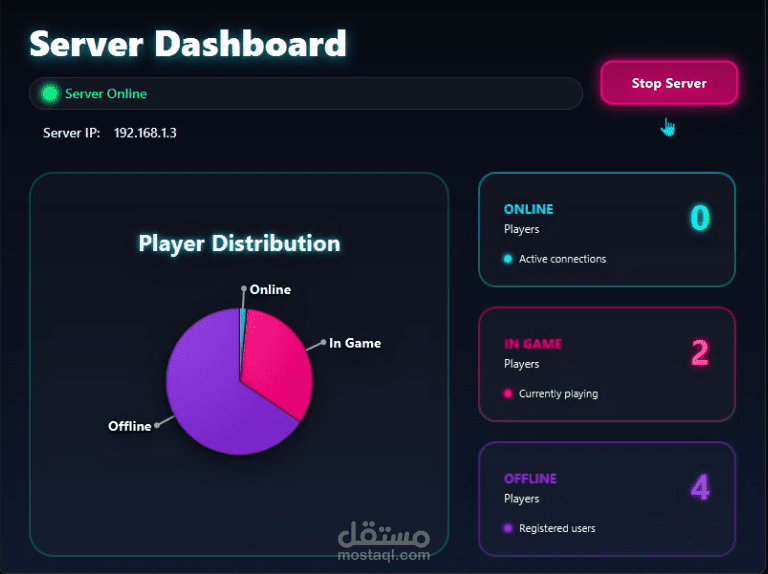
? Server (The Core Engine)
Manages thread pools and concurrent connections
Tracks user sessions (Online / Offline)
Handles matchmaking, game rooms, and invitations
Coordinates all real-time communication
? Client (JavaFX)
Responsive and animated UI
Accurate state synchronization with the server
Seamless navigation across multiple game modes
? Three Gameplay Modes
? Single Player (AI)
Implemented the Minimax Algorithm
Three difficulty levels
“Hard” mode is intentionally unbeatable
? Local PvP
Classic two-player experience on the same machine
? Online Multiplayer
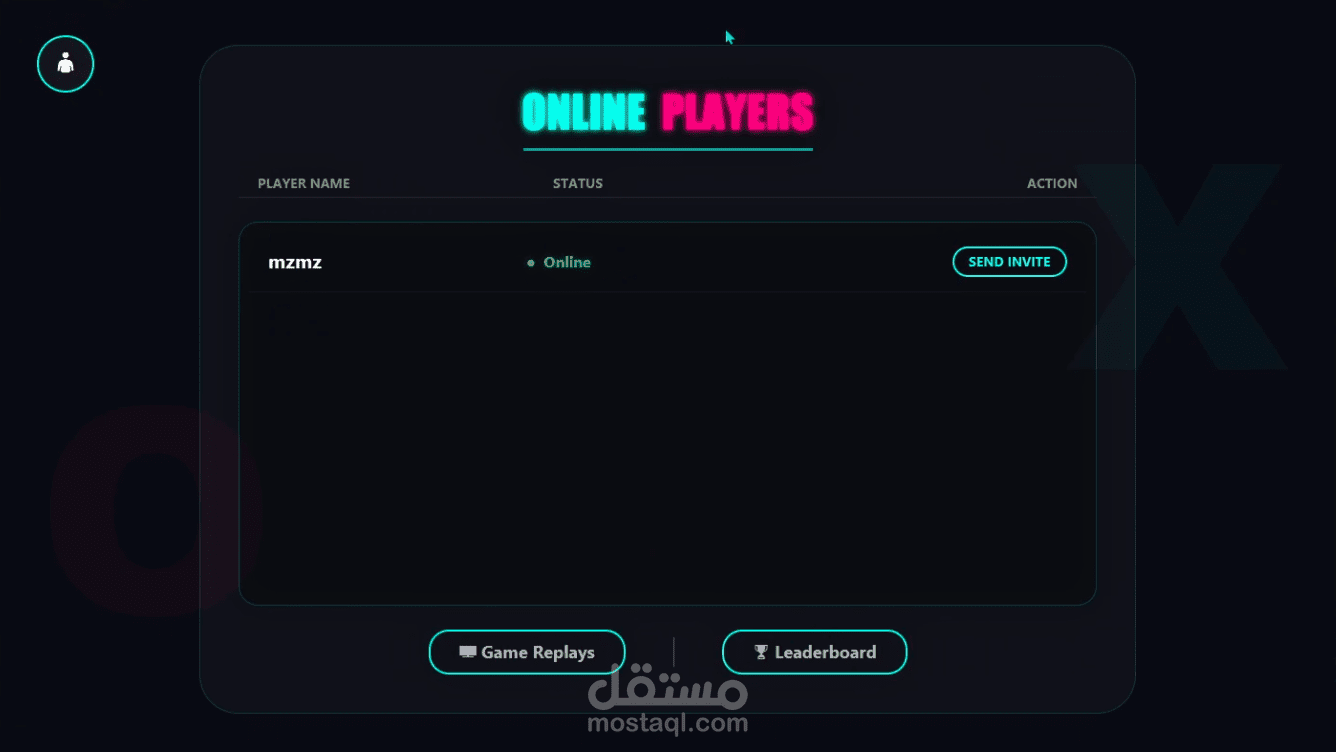
Real-time player discovery
Live game invitations
Instant move synchronization across the network
The most technically challenging part of the project
?️ Engineering for Reliability
We deliberately designed for edge cases, not just the happy path:
✅ Resilience: Graceful handling of sudden player disconnections
✅ Live Feedback: Immediate client alerts if the server goes down
✅ Concurrency Safety: Invitation logic that prevents race conditions
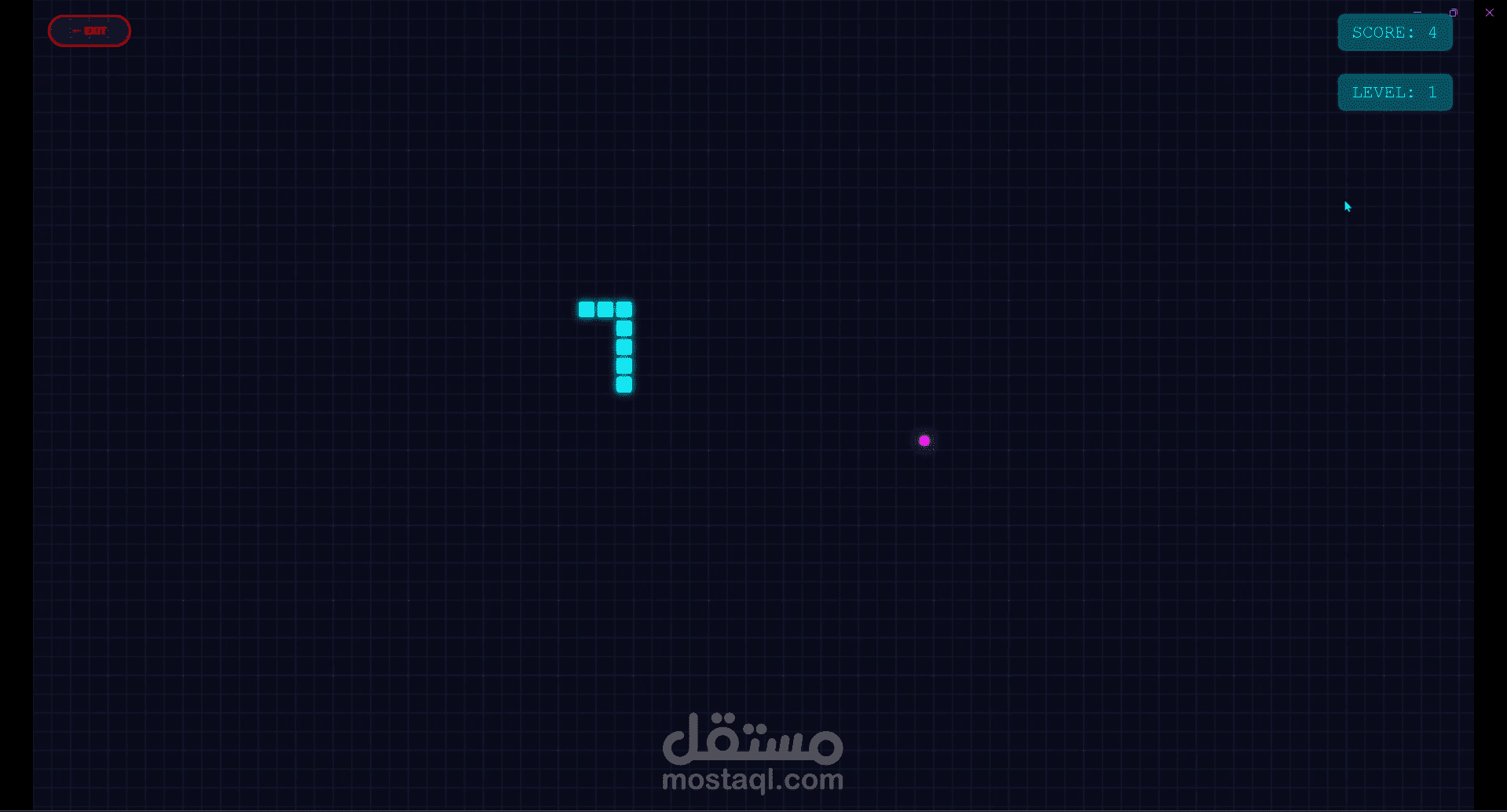
? Bonus Arcade Demo: Snake Game
As part of the Arcade concept, I also built a Snake Game demo using JavaFX to showcase That this demo demonstrates how the arcade can be extended easily with additional games using the same UI and architectural principles.