وَمِمَّا يَعرِشُون - Beekeeping Center
تفاصيل العمل
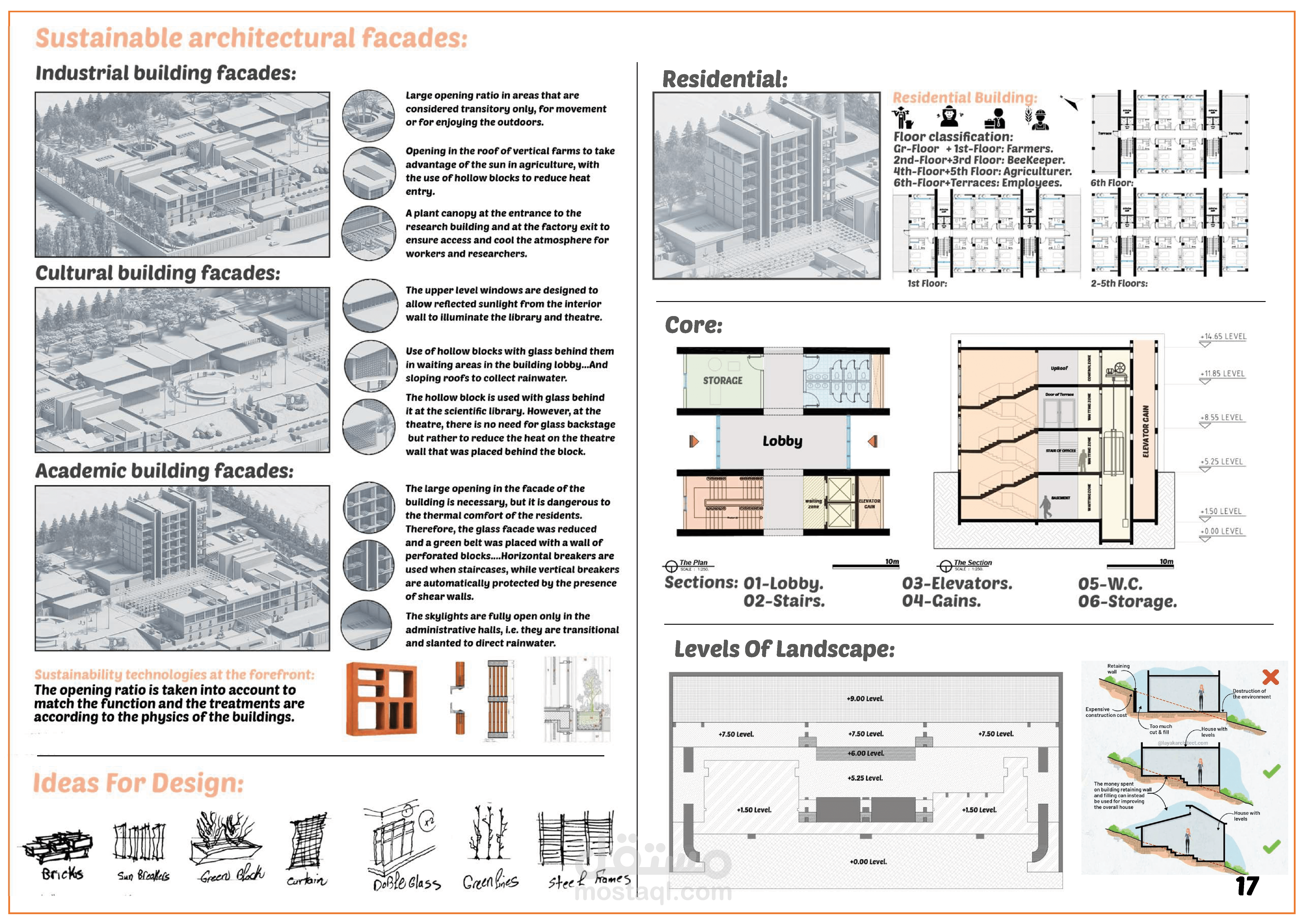
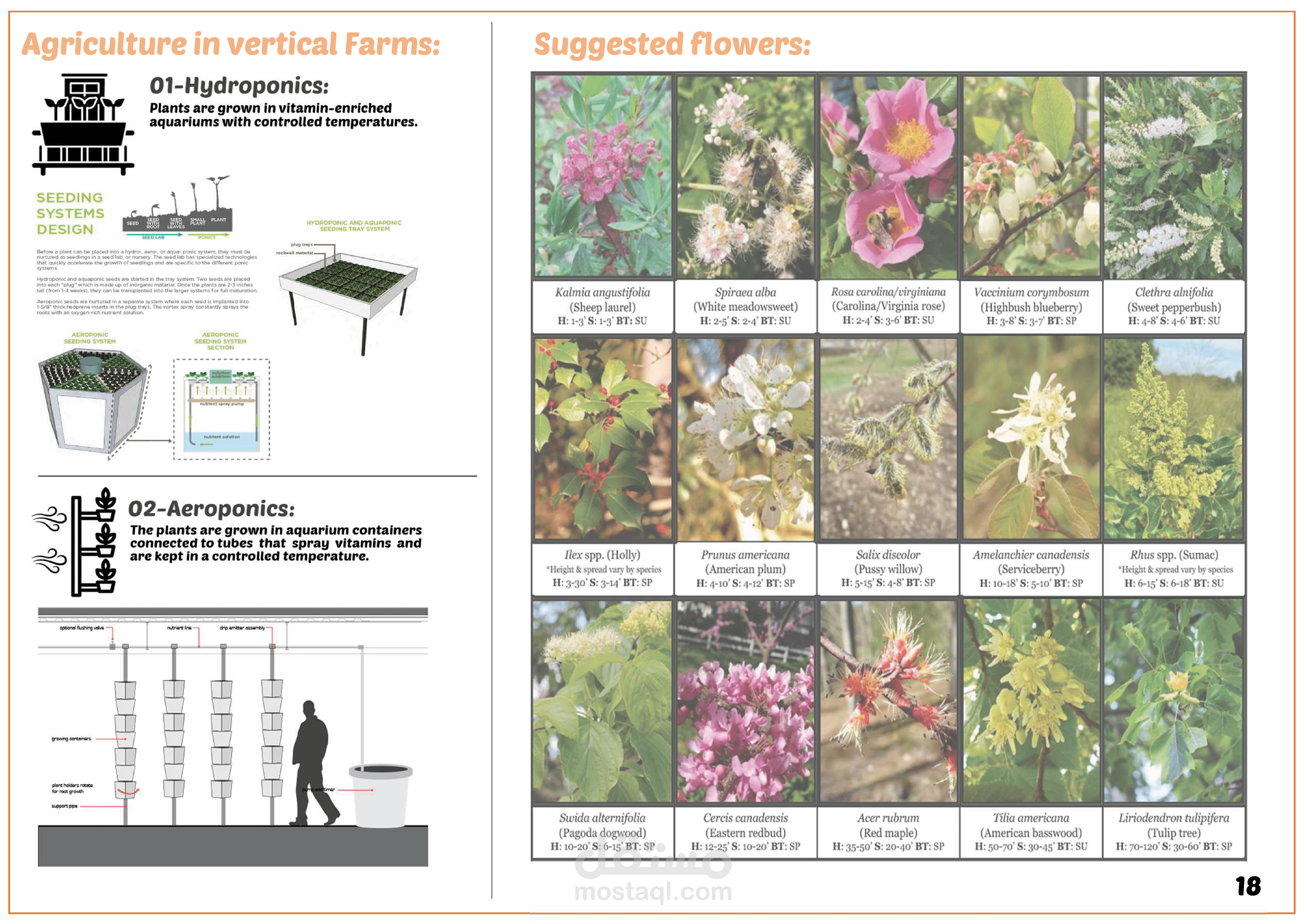
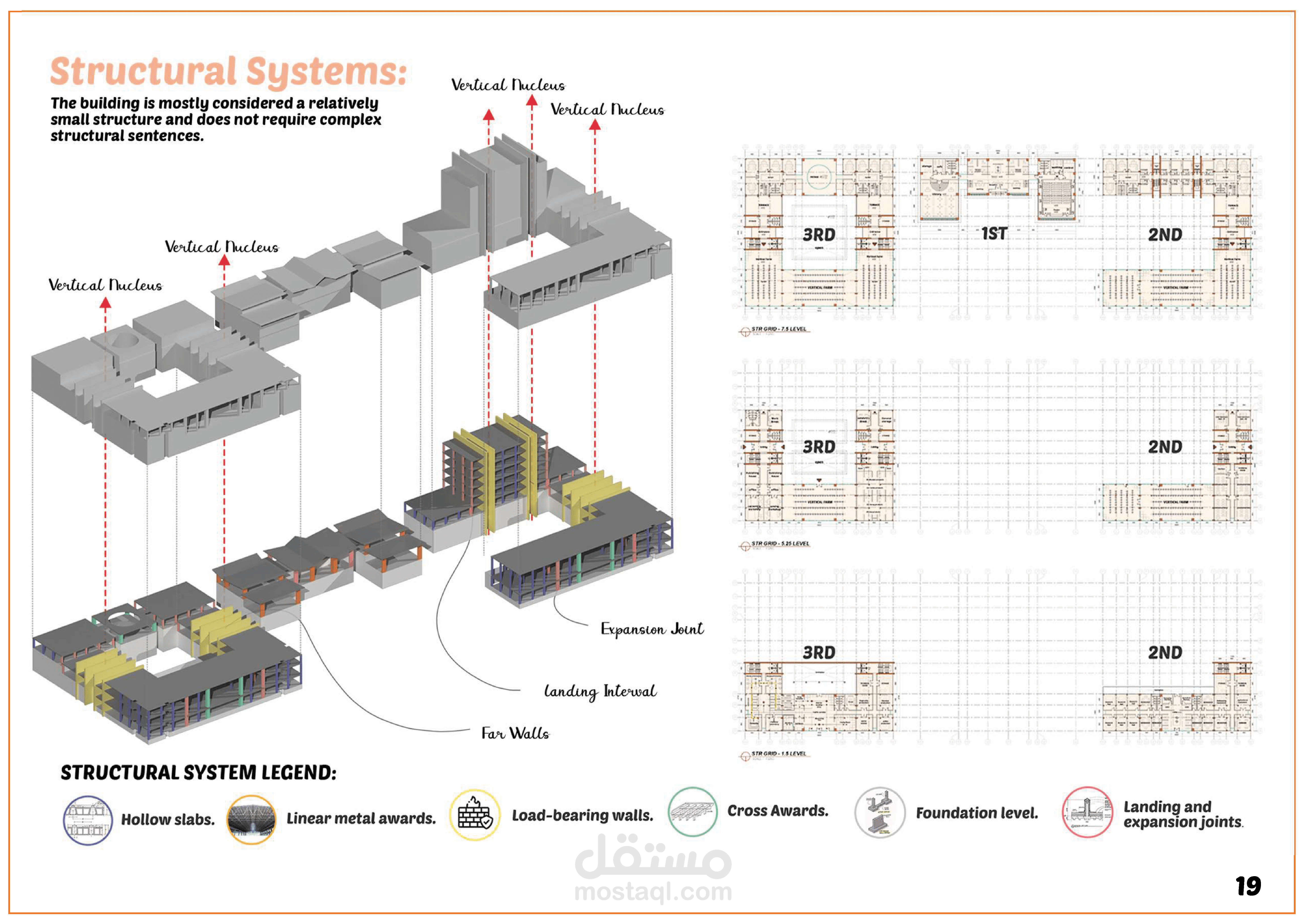
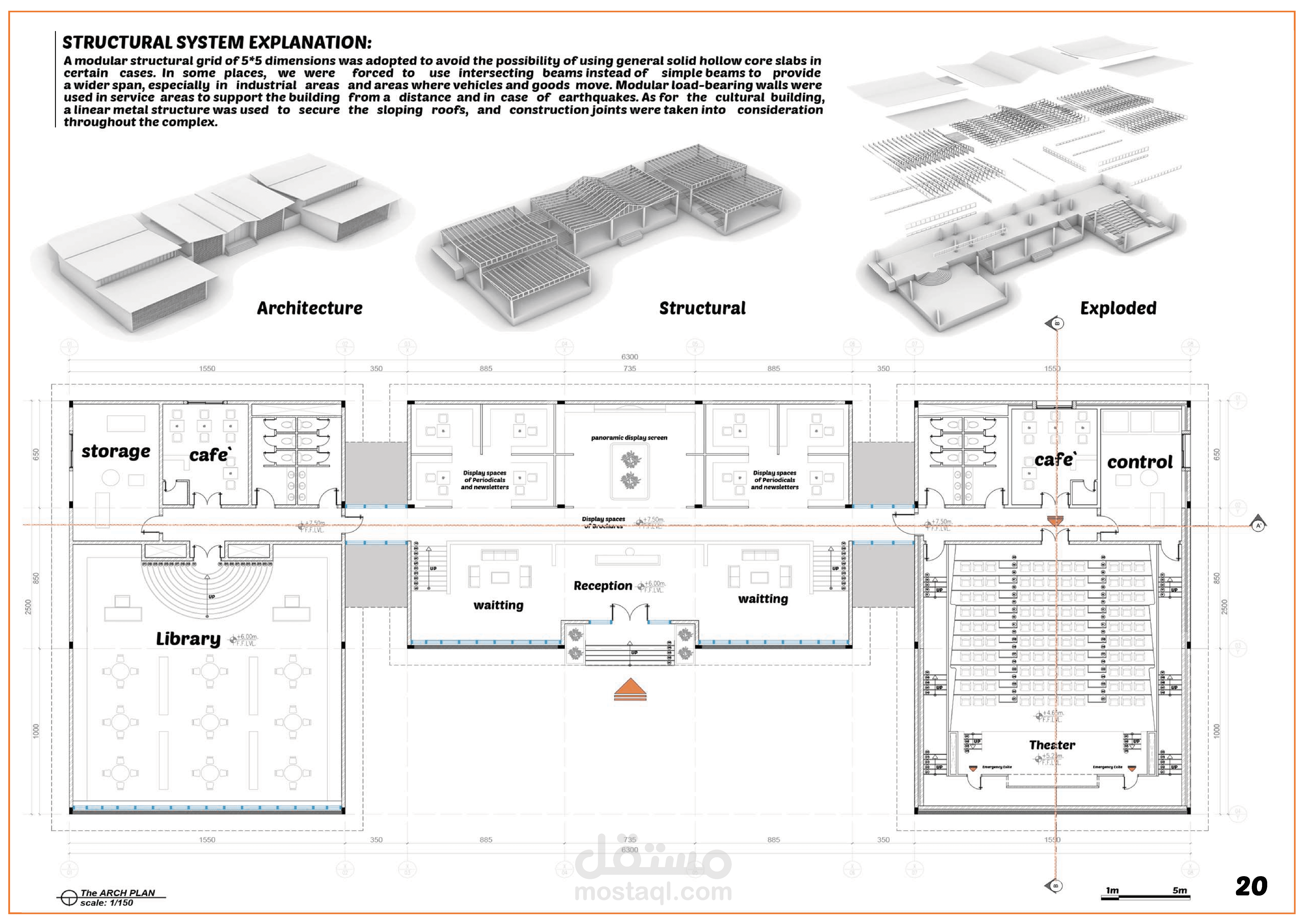
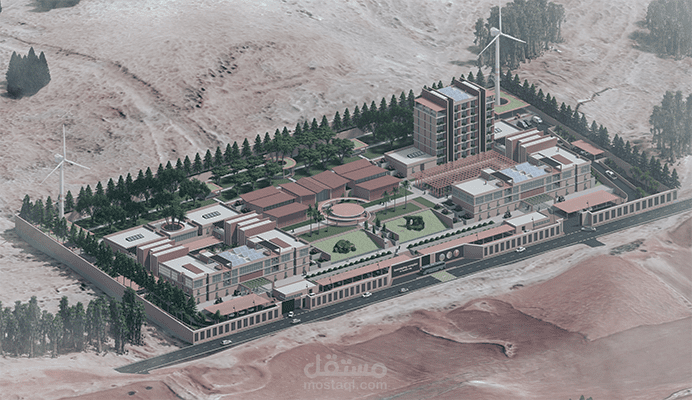
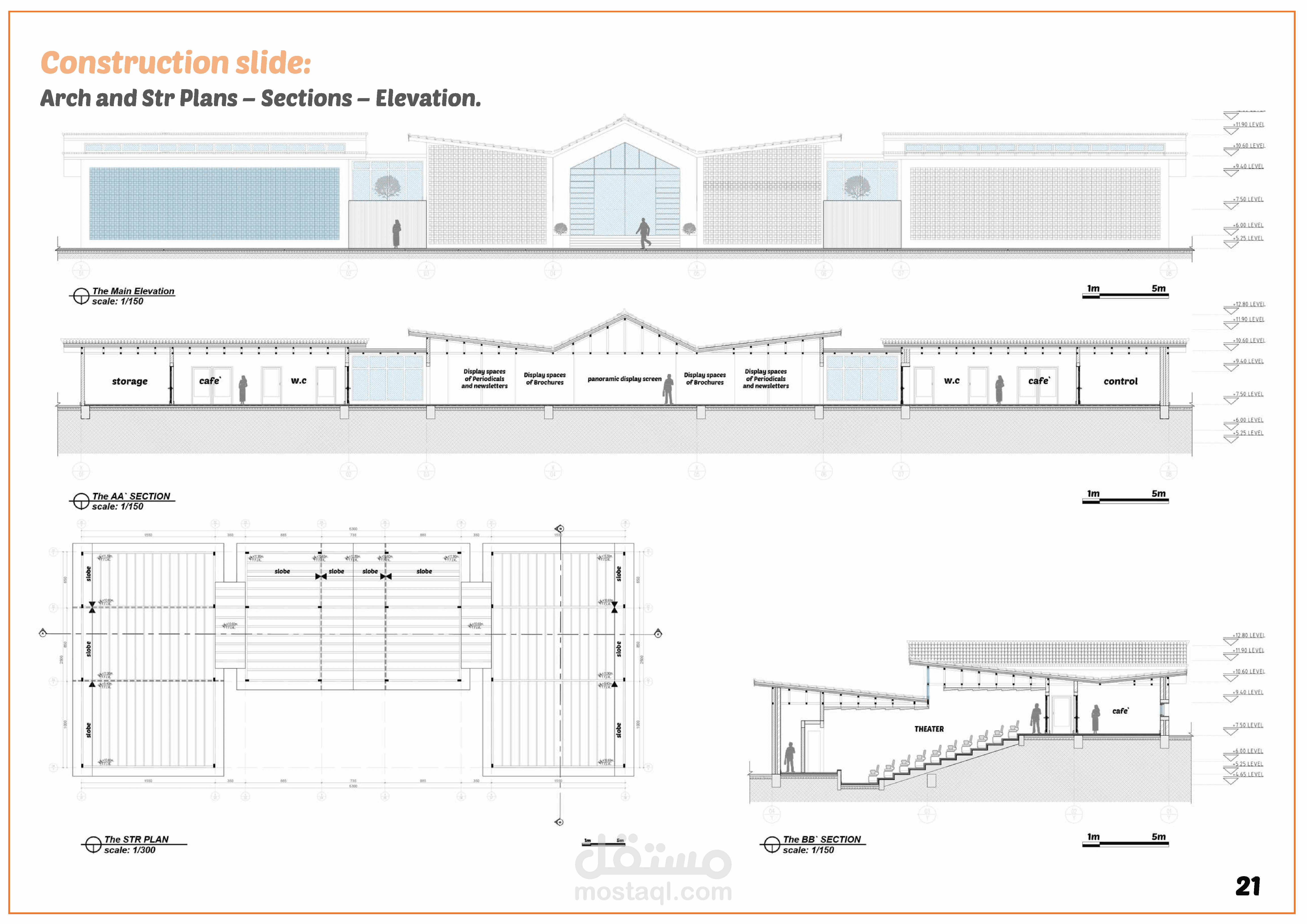
Beekeeping projects in the Syrian Arab Republic are limited to small-scale ventures, and interest in this sector has virtually disappeared due to the political circumstances and insecurity the country has endured. Most of these farms have been destroyed or looted. Beekeeping is a cornerstone of food security, as well as a vital resource for therapeutic, preventative, and cosmetic purposes. It is also an important economic asset for local communities. Furthermore, in the context of sustainable development, it's crucial to recognize the significant role of bees in boosting agricultural production through natural pollination, which can increase yields by up to 150%.
Beekeeping is a global focus in sustainable development plans. With the rise of green architecture and sustainable architecture, which have gained significant importance in the 21st century, beekeeping is considered a key driver of agricultural and livestock sustainability. It achieves integration across sectors at the regional level, necessitating architectural intervention in the strategic sustainability plan at the regional planning and architectural design levels. The following are the impacts of bees on the agricultural sector:
1- Bees contribute to the natural pollination of crops, increasing production by up to 150%. Without bees, we might resort to other, more expensive pollination methods.
2- Reduced crop production (resulting from the lack of bee pollination) will lead, in particular, to a decrease in the production of animal feed (fodder) for farmed animals, and consequently, a decrease in the production of meat, milk, cheese, and dairy products.
3- Natural pollination by bees leads to the emergence of new, genetically improved agricultural production patterns.