valve body
تفاصيل العمل
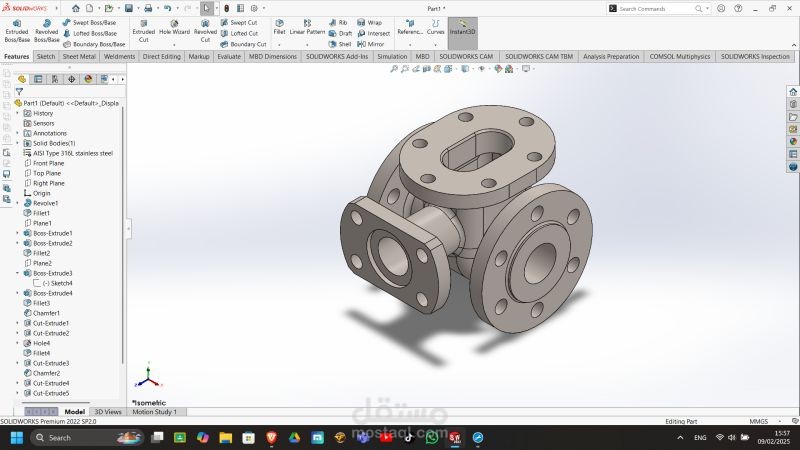
The valve body is a crucial component in an automatic transmission system, primarily in vehicles. Its function is to control the flow of transmission fluid to the different parts of the transmission. The valve body essentially acts as the "brain" of the transmission, directing hydraulic fluid to the right areas at the right times to enable proper shifting of gears.
Here’s a breakdown of its role:
1-Shifting Mechanism: The valve body contains a series of valves and passages that manage the flow of transmission fluid, determining which gears should be engaged based on vehicle speed, engine load, and throttle position.
2-Hydraulic Control: It helps to direct hydraulic pressure to the clutches and bands inside the transmission, enabling smooth engagement and disengagement of gears.
3-Pressure Regulation: It ensures the appropriate pressure is maintained within the transmission system, which is critical for smooth gear shifting and avoiding damage to internal components.
4-Solenoids: Many modern valve bodies also include solenoids, which are electronically controlled to help the valve body make more precise shifts based on input from the vehicle’s sensors.