UserManagement Amzon
تفاصيل العمل
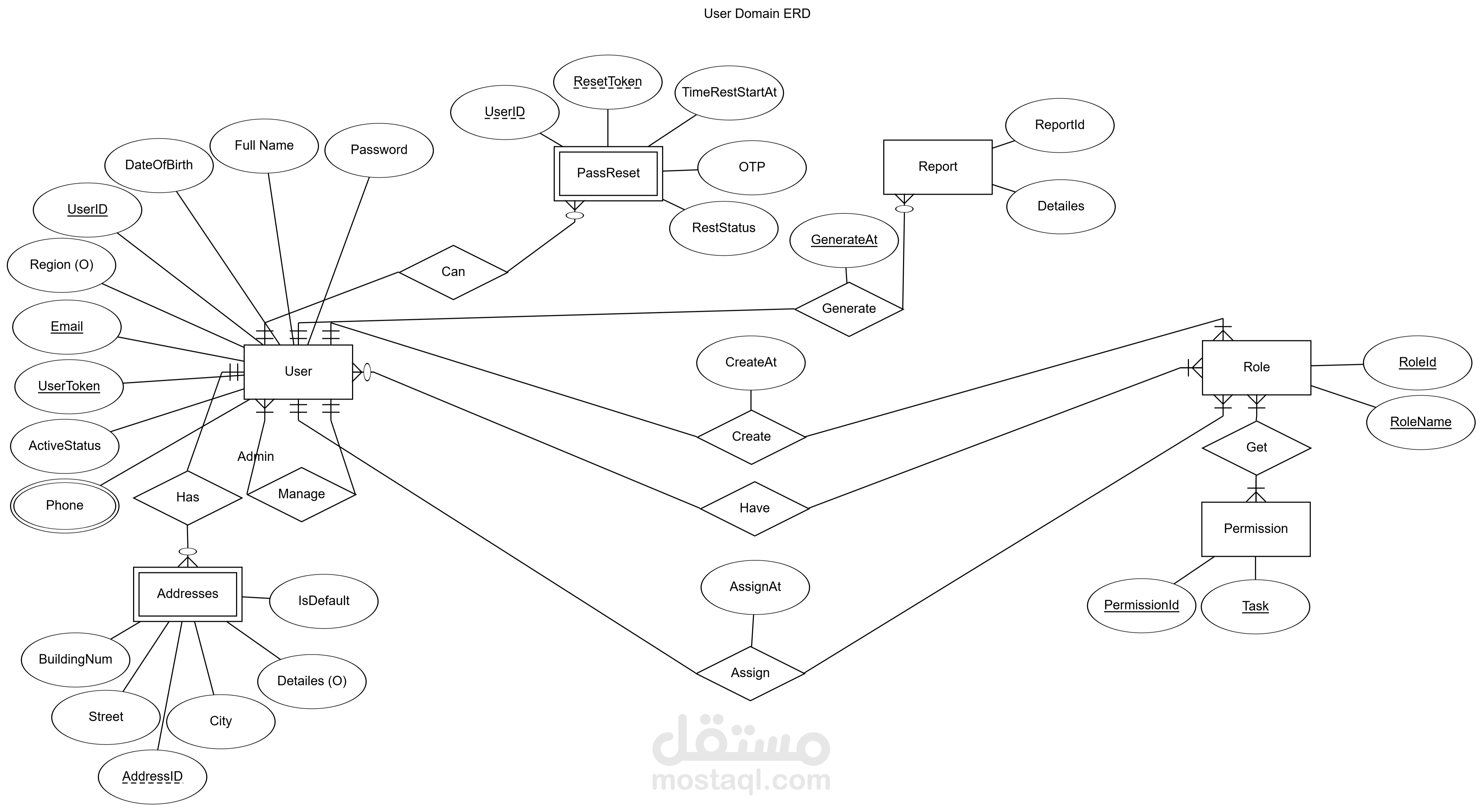
•Design : by first defining user stories to capture functional requirements and
non-functional requirements for self-service registration, profile management, and
administrative user control. Established a role hierarchy (e.g., User→ Vendor→
Admin) to enforce a principle of least privilege..
2025
•Architecture: Backend built with ASP.NET Core 9 using a Clean Architecture pattern
(Domain, Application,Infrastructure, Presentation, API layers) appling
OOPs,SOLID.
•Database & Identity: EF Core handles database mapping; ASP.NET Identity
manages users, authentication, and security stamps.
•Authentication: JWT tokens (1-minute lifetime) with refresh tokens (60-minute
lifetime) for secure session management.
•Email Verification: User registration via email/password, with email confirmation
using IEmailSender and GenerateEmailConfirmationTokenAsync.
•Password Management: Secure password reset flow via email, enabling users to
recover accounts safely.
•User Profile: Endpoints to edit personal information, manage addresses, phones .
•Authorization: Role-Based Access Control (RBAC) with roles, permissions, and finegrained access policies.
•Admin Features: Real-time user monitoring and management via SignalR
(registration, profile updates, active status,role changes).
•Role & Permission Management: Create, update, delete, and assign
roles/permissions dynamically.
•Security & Scalability: Token-based authentication with enforced expirations, clean
separation of concerns, and extensible design for enterprise use.
•UI : build the user managemet app using angular 20, bootstrap with modern and
responsive ui/ux
•Deploy: using docker compose yml file and dockerfile to build and deploy up runinng
service for the application