Introduction to Physical Therapy
تفاصيل العمل
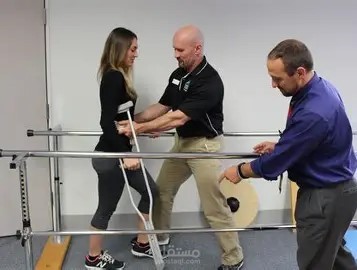
importance in improving patients’ quality of life. It highlights how physical therapy helps in restoring movement, reducing pain, and preventing disability through evidence-based techniques.
The project also covers key areas such as:
The history and development of physical therapy
Common conditions treated (e.g., sports injuries, neurological disorders, and post-surgical rehabilitation)
Assessment methods used by physical therapists, including range of motion and functional evaluation
Main treatment techniques such as therapeutic exercises, manual therapy, and electrotherapy
The role of the physical therapist in assessment, planning, and monitoring patient progress
In addition, the presentation discusses the benefits of physical therapy in enhancing mobility, independence, and overall quality of life, while also introducing modern advancements like tele-rehabilitation and robotics in the future of the profession.
The content is written in a simple, clear, and educational style, supported by organized slides and logical flow, making it suitable for students, academic presentations, and beginner-level audiences.