Analysis about Vibrations in pipes
تفاصيل العمل
1. Phenomenon:
Vibration: The core subject.
Piping Vibration: Specifically the oscillation of the pipeline.
Flow-Induced Vibration (FIV): Vibration caused by fluid flow turbulence.
Acoustic-Induced Vibration (AIV): Vibration caused by pressure pulsations in the fluid.
Mechanical Vibration: Vibration originating from connected machinery.
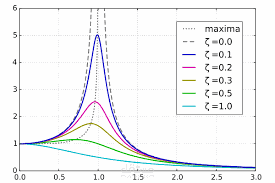
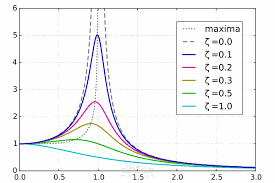
Resonance: Amplification of vibration when excitation frequency matches natural frequency.
Mode Shapes: The characteristic patterns of vibration.
Natural Frequencies: The inherent frequencies at which the pipe tends to vibrate.
Harmonics: Frequencies that are multiples of the fundamental frequency.
Pulsation: Pressure fluctuations in the fluid.
Surge/Water Hammer: Pressure waves caused by sudden flow changes.
Cavitation: Formation and collapse of vapor bubbles.
Vortex Shedding (Karman Vibration): Oscillation due to alternating vortices in flow.
2. Analysis & Assessment:
Vibration Analysis: The process of studying and interpreting vibration data.
Stress Analysis: Determining the stresses induced by vibration.
Modal Analysis: Identifying natural frequencies and mode shapes.
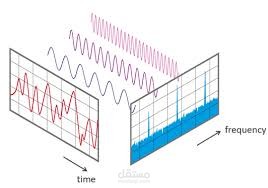
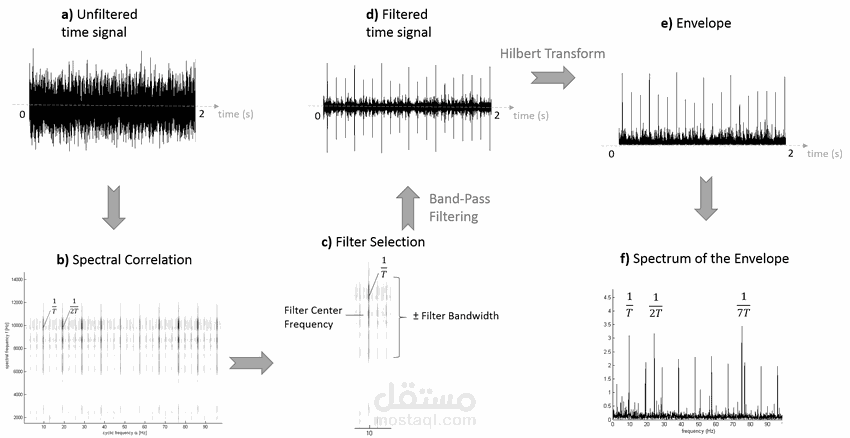
Frequency Analysis: Examining the frequency components of vibration signals.
Operational Deflection Shape (ODS) Analysis: Visualizing the pipe's movement under operating conditions.
Finite Element Analysis (FEA): Numerical method for simulating vibration behavior.
Screening Criteria: Thresholds used to identify potentially problematic vibration levels.
Severity Assessment: Evaluating the potential for damage or failure based on vibration levels.
Integrity Assessment: Determining the impact of vibration on the pipeline's structural health.
Fatigue Assessment: Evaluating the potential for fatigue damage due to cyclic loading from vibration.
Root Cause Analysis: Identifying the underlying sources of excessive vibration.
3. Measurement & Monitoring:
Vibration Measurement: The act of quantifying vibration levels.
Accelerometers: Sensors used to measure acceleration.
Velocity Transducers: Sensors used to measure velocity.
Displacement Sensors: Sensors used to measure displacement.
Strain Gauges: Sensors used to measure strain (related to stress).
Vibration Monitoring: Continuous or periodic measurement of vibration.
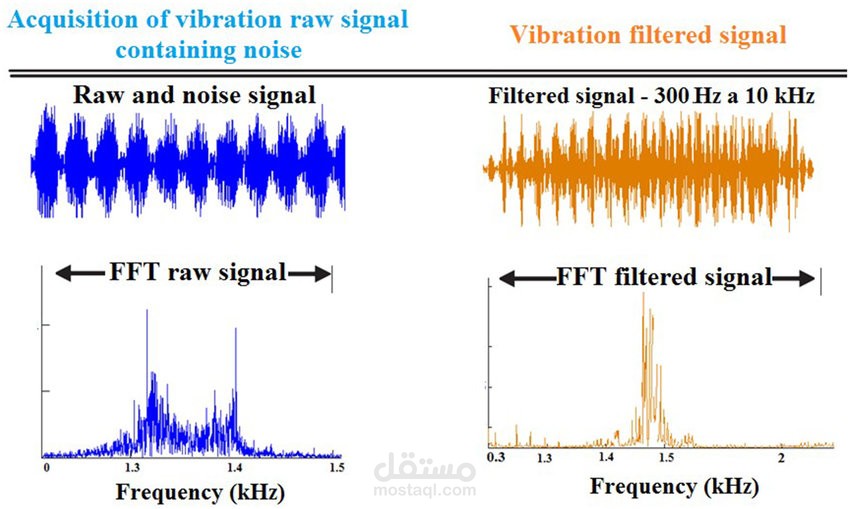
Data Acquisition: The process of collecting vibration data.
Signal Processing: Analyzing and interpreting the measured vibration signals (e.g., FFT).
4. Mitigation & Control:
Vibration Control: Techniques used to reduce or eliminate excessive vibration.
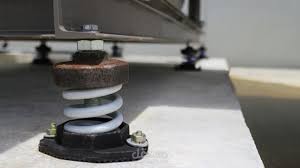
Supports: Structures used to restrain pipe movement.
Clamps/Clips: Fasteners used to secure pipes.
Dampers: Devices used to dissipate vibration energy.
Snubbers: Devices that restrain sudden movements.
Expansion Loops/Joints: Components that accommodate thermal expansion and reduce stress.
Piping Layout Optimization: Designing the pipe route to minimize vibration.
Flow Modification: Changing flow conditions to reduce excitation forces.
Operational Parameter Adjustment: Altering pump/compressor speeds or valve operations.
5. Consequences & Risks:
Fatigue Failure: Structural failure due to repeated stress cycles.
Cracking: Formation of fractures in the pipe material.
Leaks: Loss of containment due to pipe failure.
Equipment Damage: Vibration transmitted to connected machinery.
Noise: Unwanted sound generated by vibrating pipes.
Reduced Reliability: Decreased operational lifespan of the pipeline.
Safety Hazards: Potential for catastrophic failure.
6. Standards & Guidelines:
ASME OM-3: Standard for assessing vibration in piping systems.
API 579: Standard for fitness-for-service and remaining life evaluation, including vibration fatigue.
ISO Standards: International standards related to vibration measurement and evaluation.
Industry Best Practices: Common approaches and recommendations for vibration analysis