Solar Panel
تفاصيل العمل
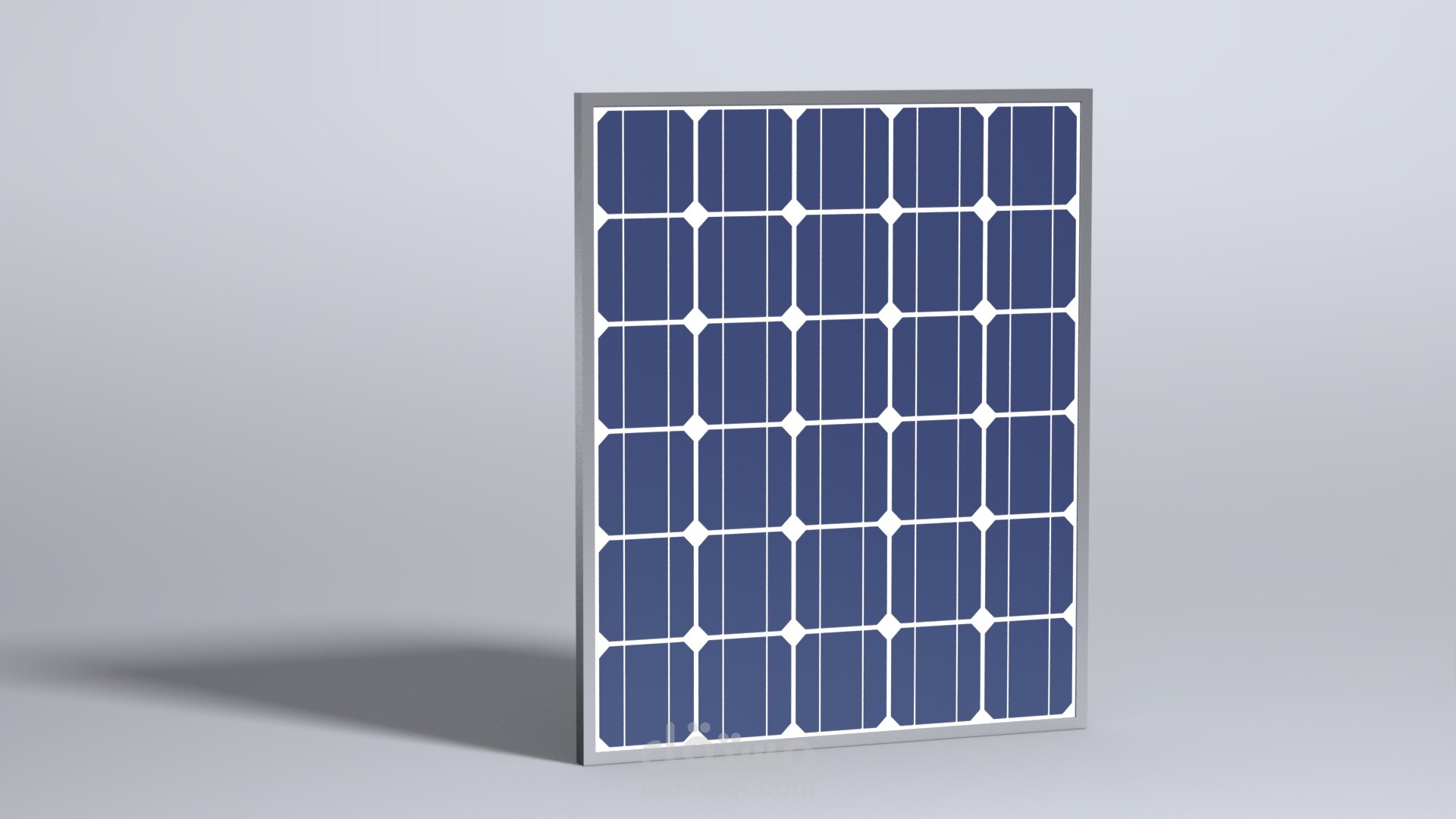
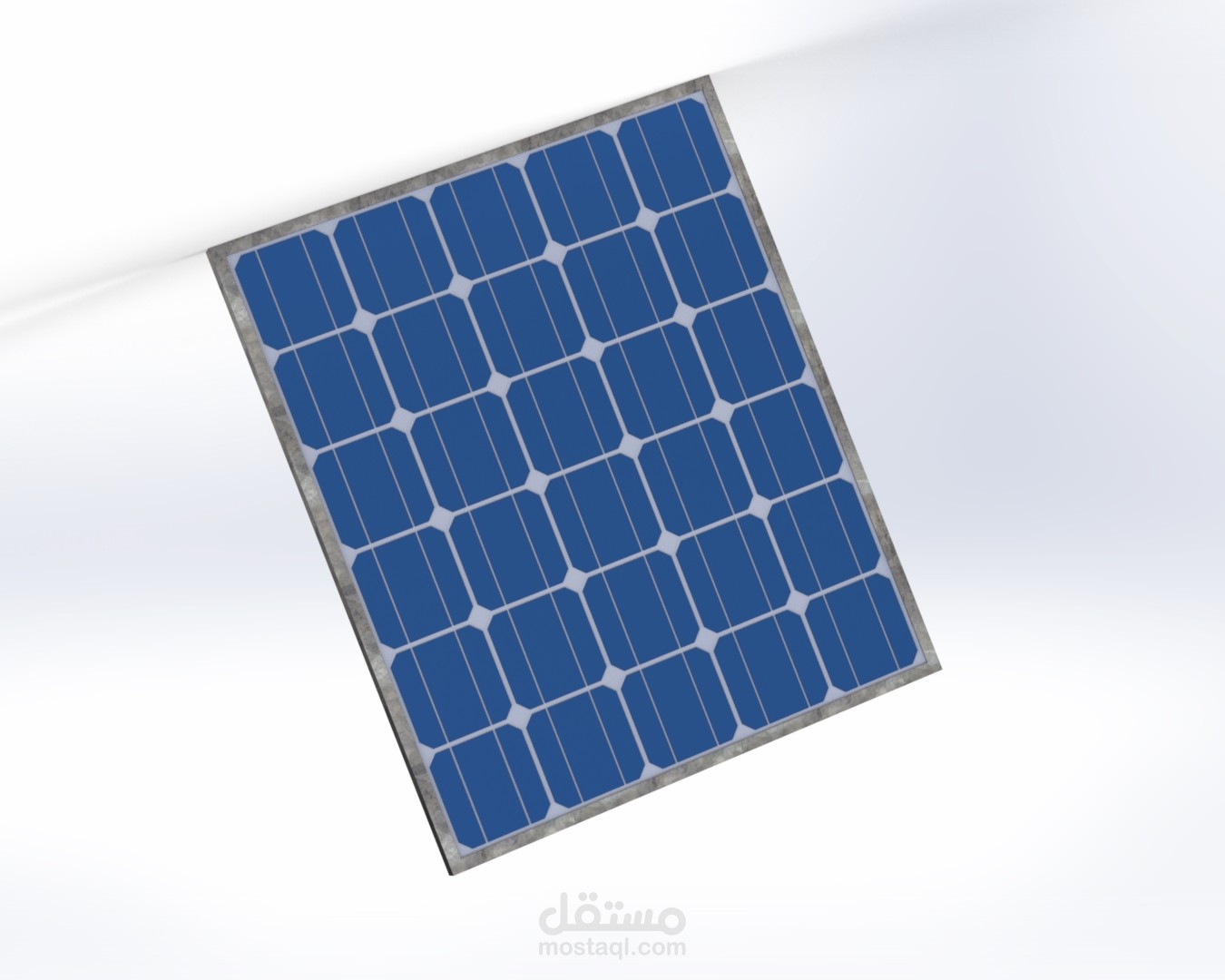
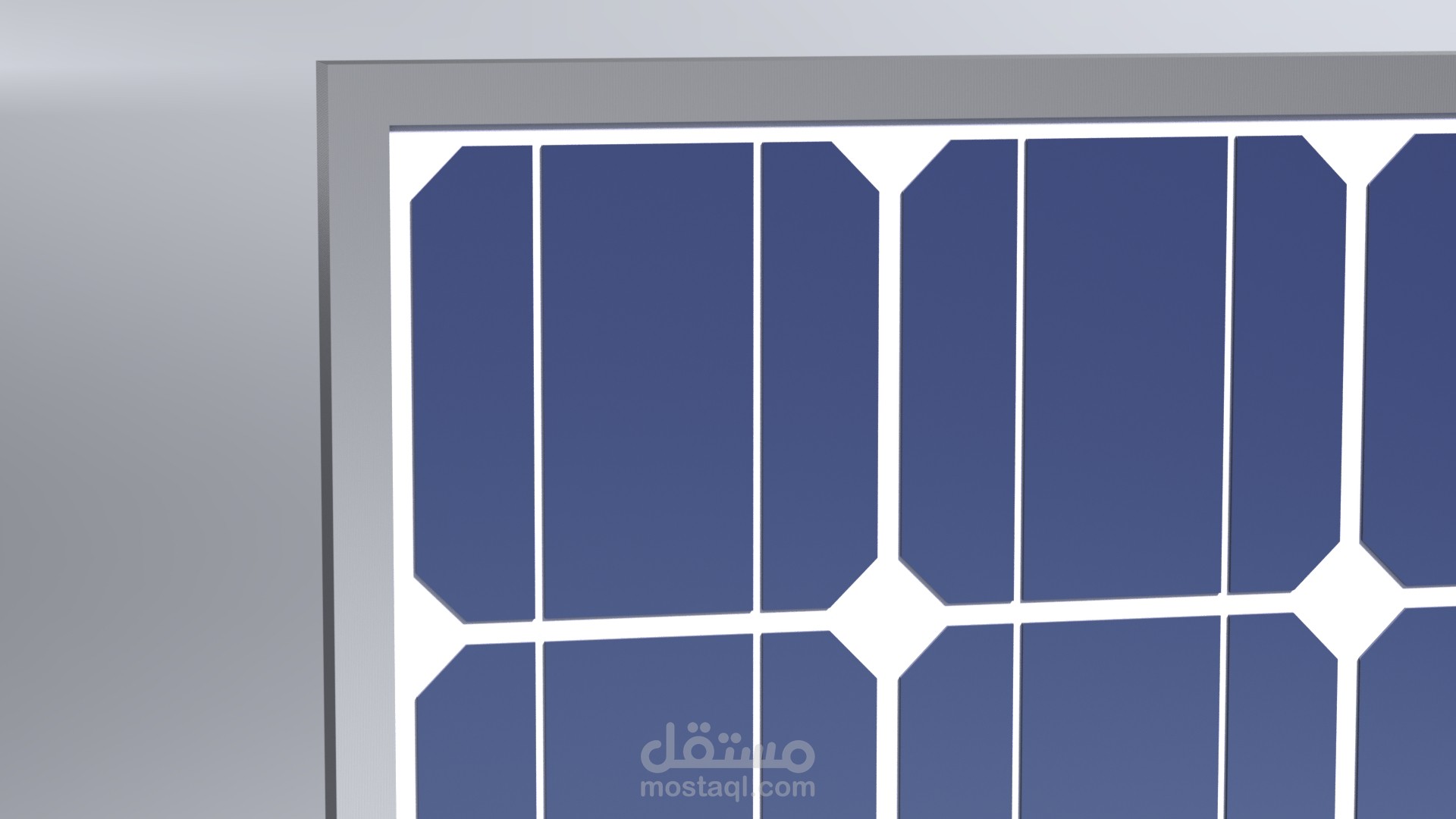
A solar panel: known as a photovoltaic (PV) panel, is a device that converts sunlight into electricity. It is composed of multiple solar cells made from semiconductor materials, such as silicon, which generate direct current (DC) electricity through the photovoltaic effect.
Key Components:
Solar Cells: The basic unit of the panel that absorbs sunlight and generates electricity.
Glass Cover: Protects the solar cells from environmental damage.
Encapsulation Layer: Ensures durability and protects the cells from moisture and contaminants.
Frame: Provides structural support and facilitates mounting.
Junction Box: Houses electrical connections and often includes bypass diodes to improve performance in partial shading.
How It Works:
Light Absorption: The solar cells absorb photons from sunlight.
Electron Movement: Photons excite electrons in the semiconductor, creating an electric current.
Electricity Generation: The generated DC electricity can be used directly, stored in batteries, or converted to alternating current (AC) via an inverter for household or commercial use.
Advantages:
Renewable and eco-friendly energy source.
Reduces dependency on fossil fuels.
Low operating and maintenance costs.
Applications:
Residential and commercial power supply.
Off-grid systems in remote areas.
Integration into devices like solar chargers, streetlights, and water heaters.
Let me know if you'd like to dive into the technical aspects, SolidWorks modeling, or project integration for solar panels.