Students performance analysis
تفاصيل العمل
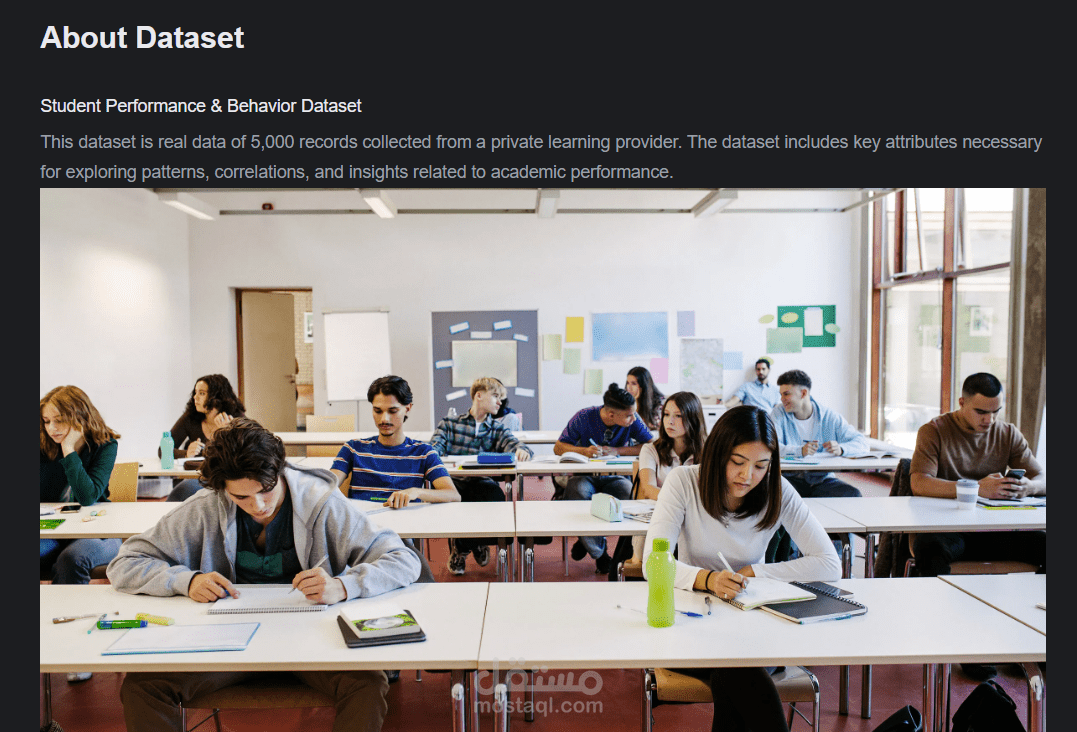
Analyzing Student Performance Data to Improve Academic Outcomes
1. Data Cleaning & Preprocessing
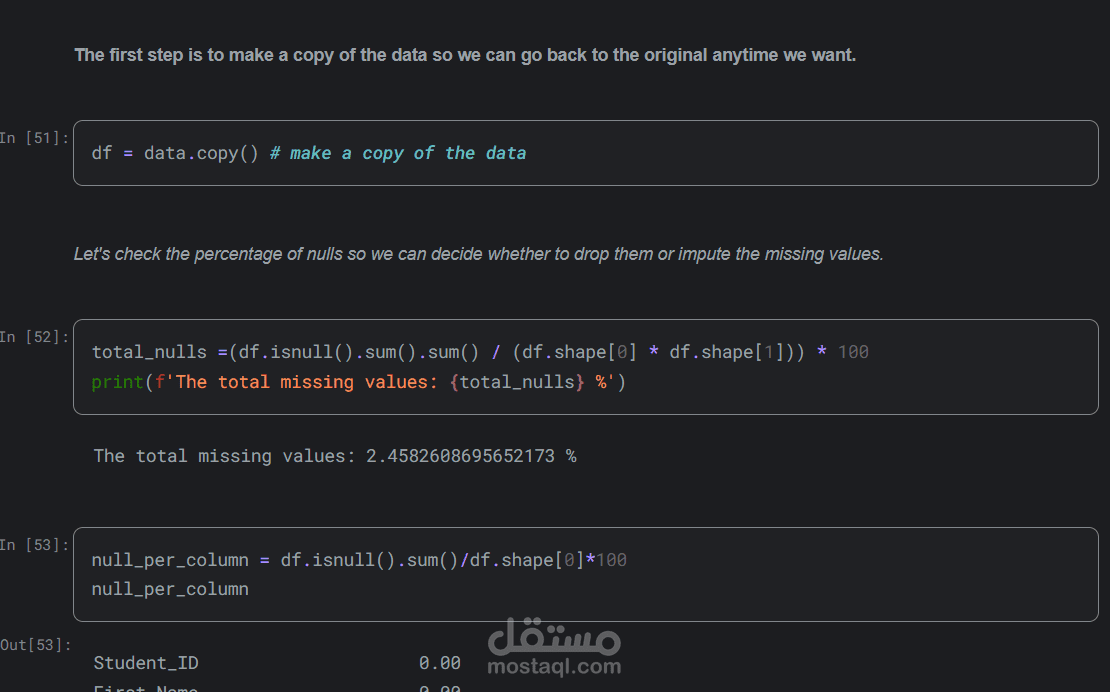
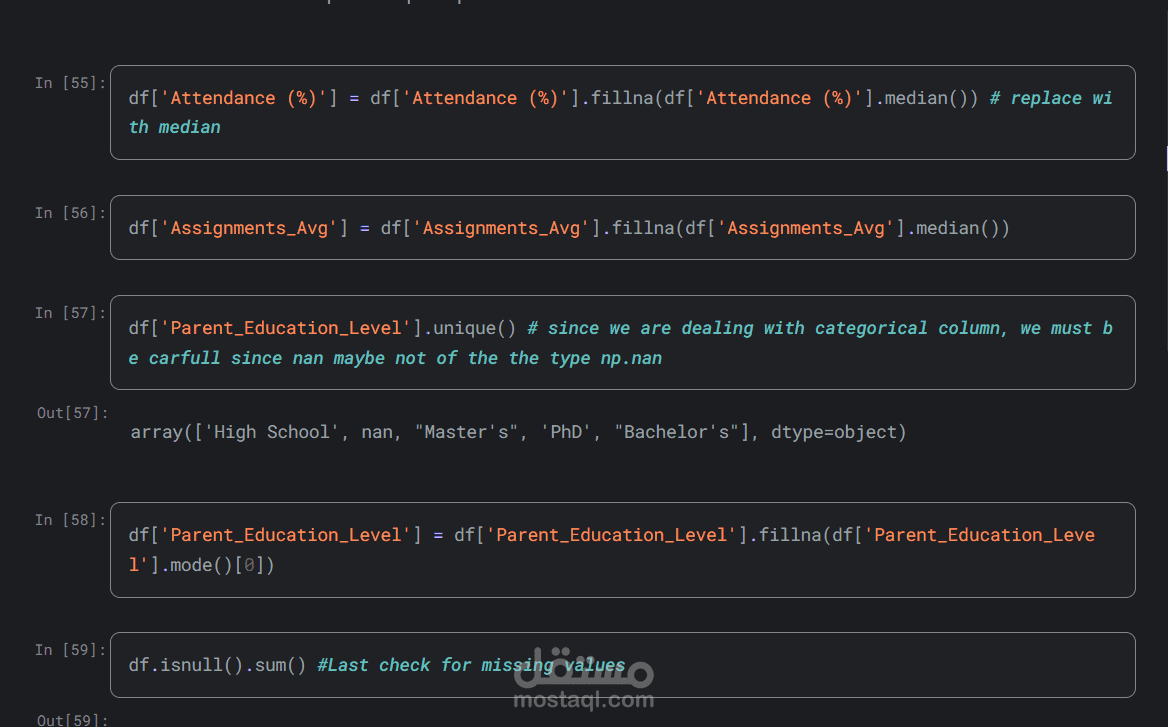
Handle missing values using appropriate techniques (e.g., imputation, removal).
Standardize and normalize data for consistency.
Remove duplicate or irrelevant entries.
Convert categorical data into numerical form if necessary (e.g., one-hot encoding).
2. Exploratory Data Analysis (EDA)
Use statistical summaries to understand data distribution.
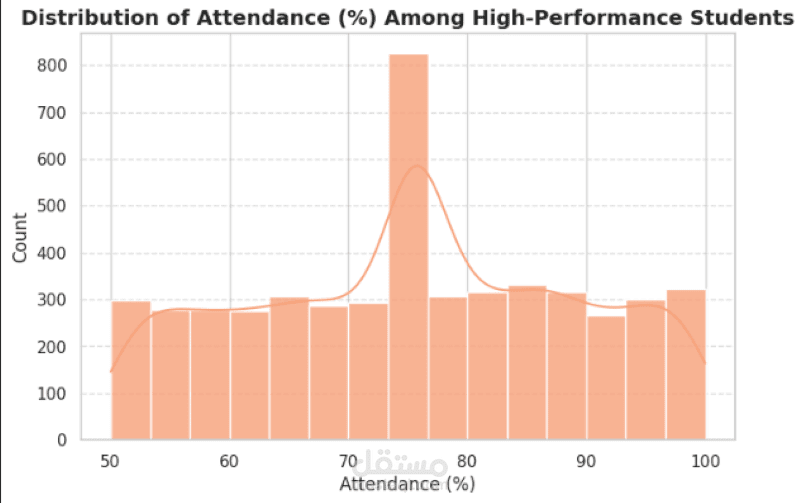
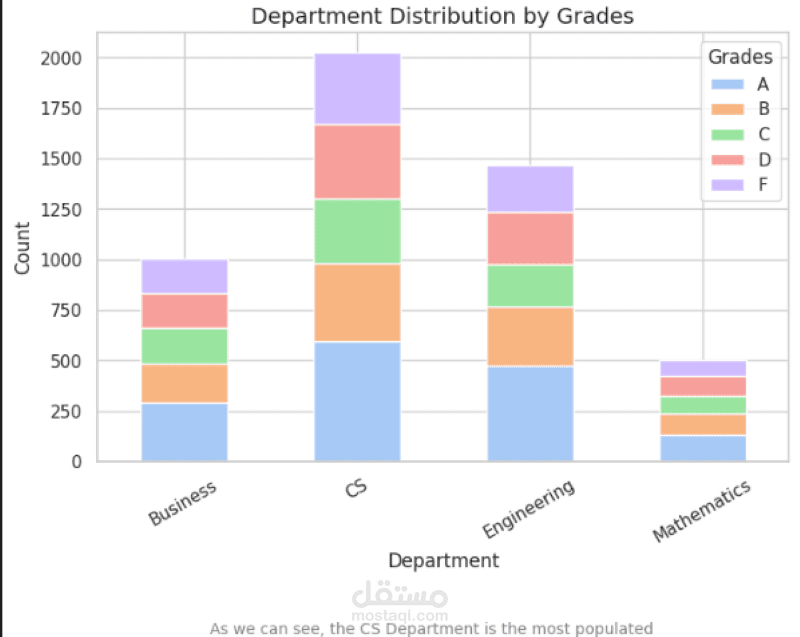
Create visualizations (histograms, box plots, scatter plots) to identify trends.
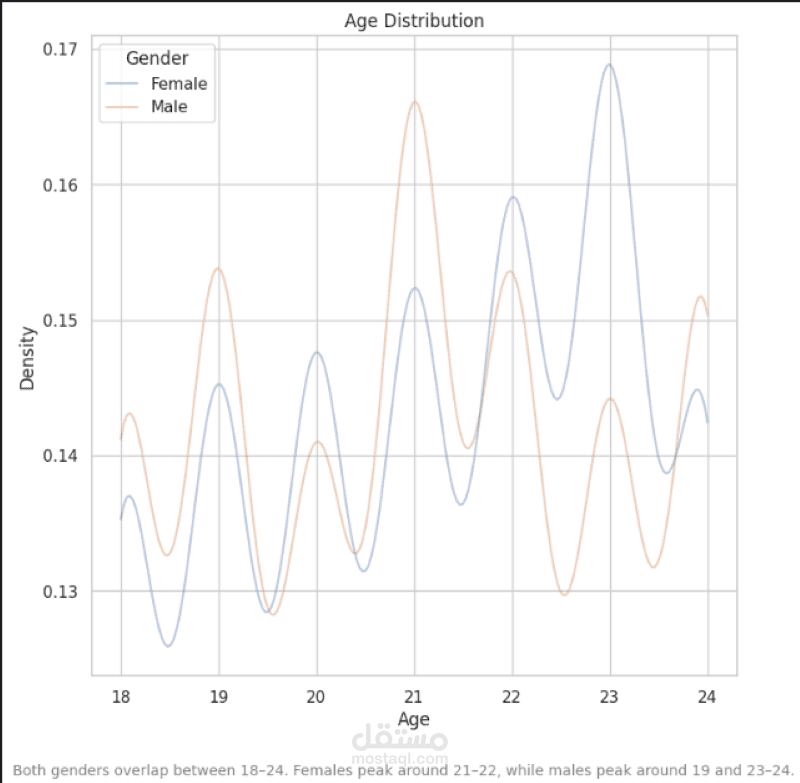
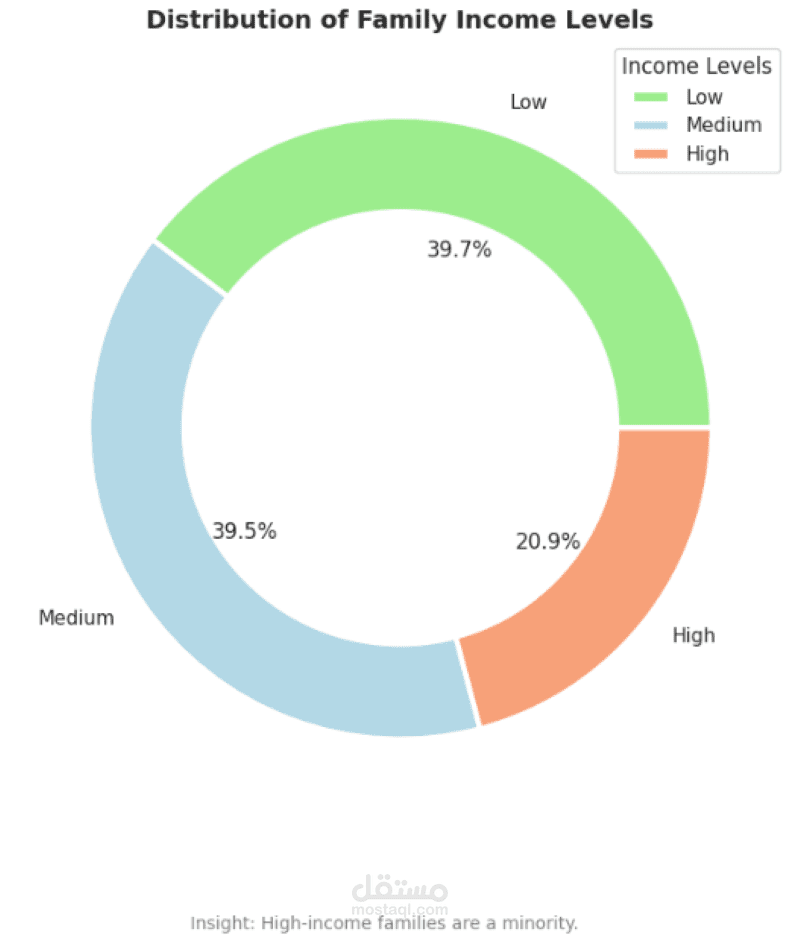
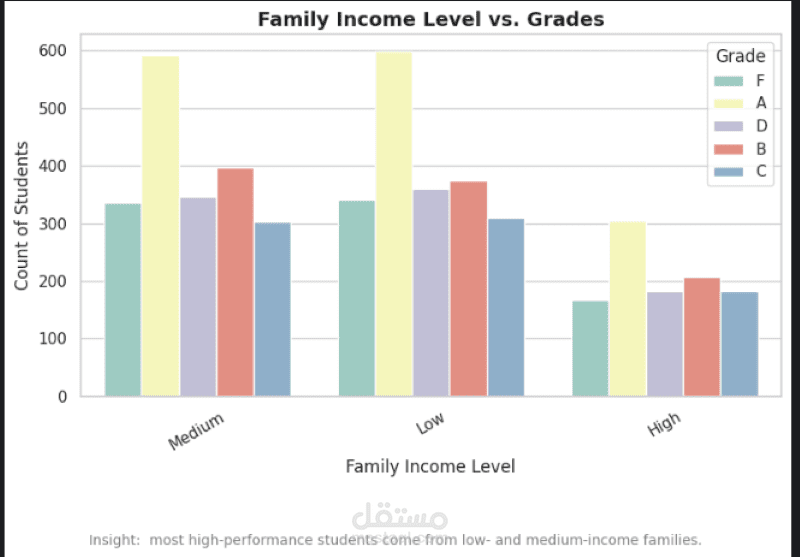
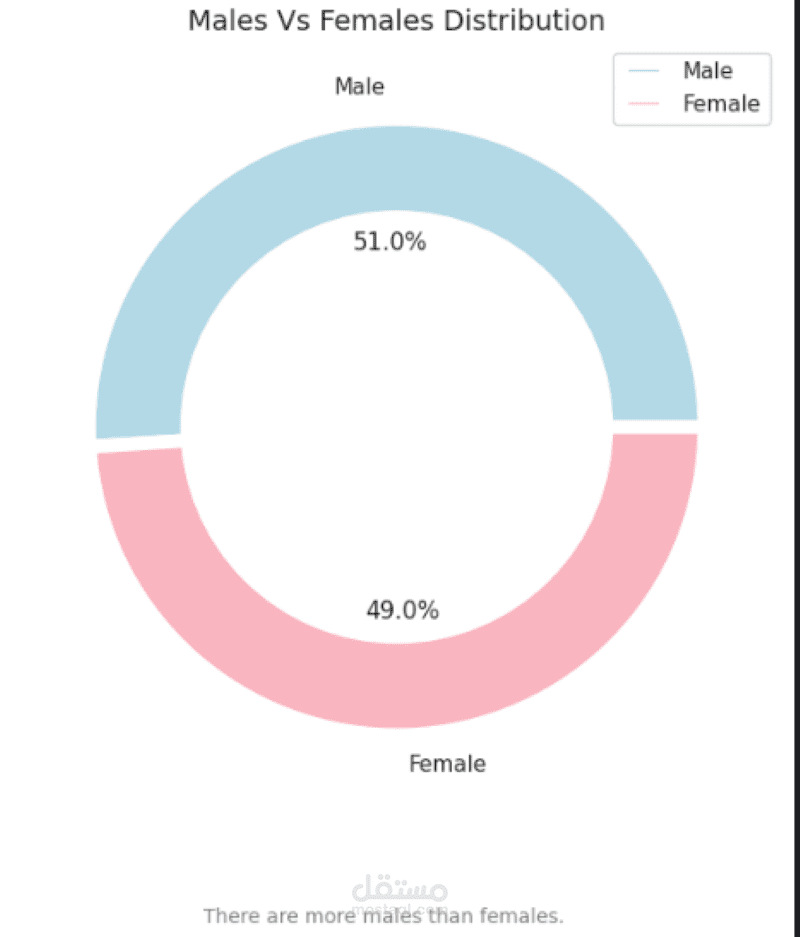
Analyze student demographics, attendance, study habits, and external factors affecting performance.
3. Identifying Correlations & Patterns
Use correlation matrices to detect relationships between different factors (e.g., study time vs. grades).
Apply clustering techniques to group students based on performance levels.
Detect anomalies or outliers that may indicate struggling students.
4. Data Analytics & Predictive Modeling
Apply machine learning techniques (e.g., regression models, decision trees) to predict academic performance.
Identify key features that influence student success.
Develop early warning systems to identify at-risk students.
5. Data Visualization & Reporting
Generate interactive dashboards for real-time insights.
Present findings using clear and compelling visualizations (e.g., bar charts, heatmaps, trend lines).
Provide actionable recommendations to educators, administrators, and policymakers.