رواية [The Great Gatsby]
تفاصيل العمل
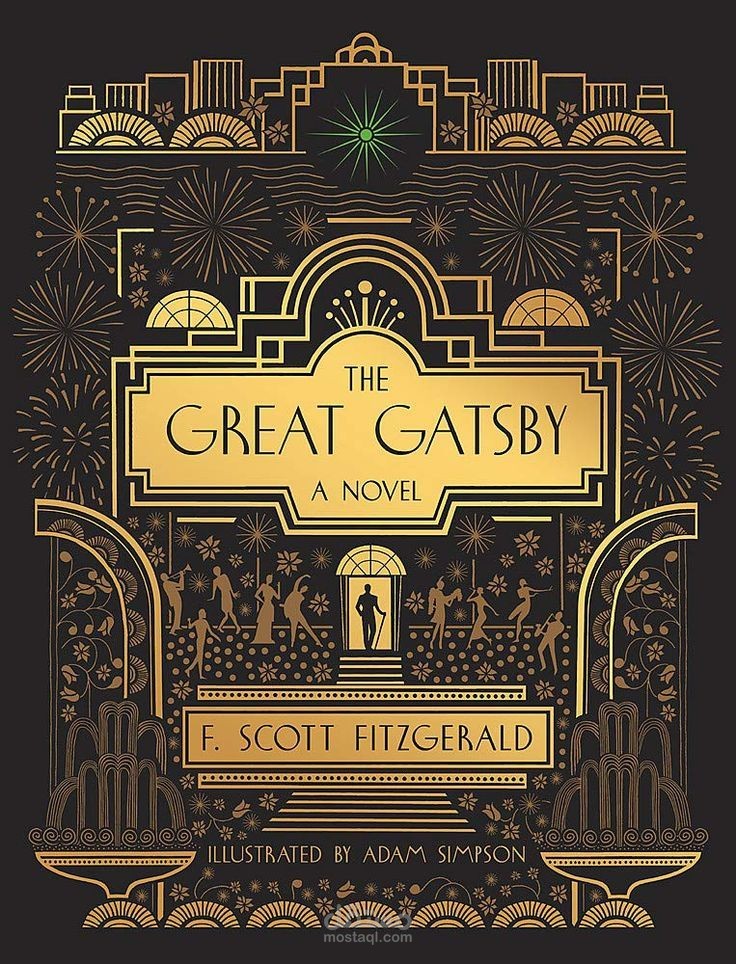
The Great Gatsby: A Timeless Reflection of the American Dream
"So we beat on, boats against the current, borne back ceaselessly into the past." These iconic words from F. Scott Fitzgerald's The Great Gatsby perfectly encapsulate the novel’s hauntingly poetic essence. Published in 1925, this literary masterpiece remains a poignant exploration of ambition, love, and disillusionment in the Roaring Twenties.
Plot Overview
Set in the opulent world of Long Island, New York, the story unfolds through the eyes of Nick Carraway, a bond salesman who becomes entangled in the lives of the enigmatic millionaire Jay Gatsby and his love, Daisy Buchanan. Gatsby’s relentless pursuit of Daisy, despite her being married, drives the narrative. The green light at the end of Daisy’s dock becomes a symbol of Gatsby’s unyielding hope, while the glittering parties at his mansion mask the emptiness within.
Character Analysis
Jay Gatsby: A tragic dreamer, Gatsby embodies the relentless pursuit of the American Dream. His love for Daisy, though romantic, reveals a darker obsession with the past.
Daisy Buchanan: Beautiful and superficial, Daisy represents the allure and hollowness of wealth. Her decisions reflect the moral decay of the society Fitzgerald critiques.
Nick Carraway: As the narrator, Nick offers a grounded perspective, observing the chaos of wealth and ambition while wrestling with his own disillusionment.
Themes and Symbolism
Fitzgerald masterfully weaves themes of love, ambition, and societal decay throughout the narrative. The novel critiques the American Dream, exposing its transformation from idealism to materialism. The green light symbolizes unattainable desires, while the Valley of Ashes serves as a grim reminder of the consequences of greed and neglect.
Literary Style
Fitzgerald’s prose is both lyrical and evocative, painting vivid pictures of lavish parties, shimmering lights, and the emotional emptiness of his characters. His use of symbolism, foreshadowing, and irony creates a rich, multi-layered narrative that invites readers to delve deeper with every read.
Conclusion
The Great Gatsby is more than a story about love and wealth; it is a timeless critique of human ambition and the societal values of its time. Fitzgerald’s ability to capture the fragility of dreams and the inevitability of disillusionment ensures the novel's place as one of the greatest works of American literature.
If you seek a story that is both beautifully written and deeply reflective, The Great Gatsby is a must-read. Its themes remain as relevant today as they were nearly a century ago, making it a true classic for all generations.