Causes of addiction and how to recover from it
تفاصيل العمل
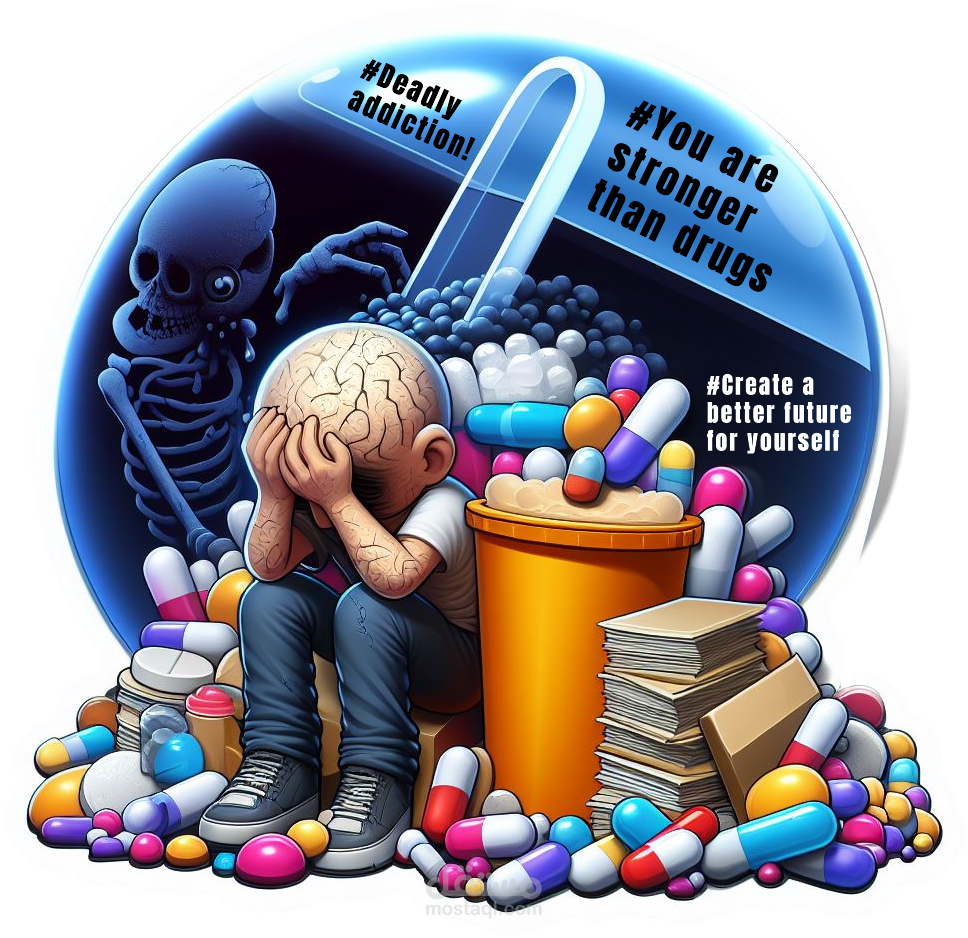
Understanding and Overcoming Addiction
Addiction can ensnare anyone, regardless of background or circumstance. It's a complex condition, often portrayed in simplified terms. This article delves deeper, exploring the multifaceted causes of addiction and outlining a roadmap for recovery.
The Many Faces of Addiction
Addiction isn't just about drugs and alcohol. It encompasses a compulsive desire for anything that alters mood or provides a sense of escape – substances, behaviors, even relationships. Common addictive behaviors include:
Substance Abuse: Drugs (prescription and illicit), alcohol, and tobacco are the most recognized forms of addiction.
Behavioral Addictions: Gambling, excessive internet use, gaming, shopping, and even exercise can become addictive.
Why Does Addiction Develop?
There's no single answer. Addiction is a complex interplay of biological, psychological, and social factors:
Brain Chemistry: Addictive substances and behaviors hijack the brain's reward system, flooding it with dopamine, a pleasure-inducing neurotransmitter. Over time, the brain adapts, requiring more and more of the substance or behavior to achieve the same pleasurable effect.
Genetics: Research suggests a genetic predisposition to addiction. If addiction runs in your family, you may be more vulnerable. However, genetics doesn't guarantee addiction.
Mental Health: People with anxiety, depression, or trauma may turn to substances or behaviors as a coping mechanism.
Social Environment: Peer pressure, exposure to drugs, and a lack of support systems can increase the risk of addiction.
Recognizing the Signs
Early intervention is crucial for successful recovery. Here are some signs that may indicate addiction:
Increased use of the substance or behavior despite negative consequences.
Preoccupation with the substance or behavior, neglecting other areas of life.
Tolerance – needing more and more to achieve the desired effect.
Withdrawal symptoms – physical or emotional discomfort when trying to stop.
Lying or hiding the extent of the problem.
The Road to Recovery
Breaking free from addiction is a journey, not a destination. Here are some key steps to consider:
Detoxification: Medically supervised detox helps manage withdrawal symptoms and prepare for therapy.
Addiction Treatment: This may involve individual or group therapy, addressing the underlying causes of addiction and developing coping mechanisms.
Support Groups: Connecting with others facing similar challenges can provide invaluable support and encouragement.
Lifestyle Changes: Developing healthy habits like exercise, healthy eating, and stress management is vital for long-term recovery.
Beyond Individual Struggles: Addressing the Systemic Issues
Addiction is a societal issue as well as a personal one. Efforts to reduce its prevalence should encompass:
Education: Increasing awareness about addiction, its causes, and treatment options is crucial.
Harm Reduction: Strategies like needle exchange programs and readily available overdose reversal medications can save lives.
Addressing Social Determinants: Poverty, lack of opportunity, and trauma can contribute to addiction. Investing in social programs can create a more supportive environment.
A Story of Hope
Recovery is possible. Here's a fictionalized example:
Sarah, a high school student, turned to gaming to escape a difficult family life. Initially, it was a fun escape. However, it soon began to consume her, affecting her grades and social life. Recognizing the problem, Sarah confided in a school counselor. With support from her family, a therapist, and a gaming addiction support group, Sarah gradually began to reclaim her life. Gaming became a leisure activity again, not a compulsive escape.
Sarah's story, though fictional, reflects the power of seeking help and the importance of a supportive network.
You Are Not Alone
Addiction is a challenging opponent, but it's not invincible. With knowledge, support, and a commitment to change, recovery is achievable. If you or someone you know is struggling with addiction, there are resources available. Here are some suggestions for finding help (Family, friends, and addiction recovery organizations):
* Search online for addiction treatment centers or support groups in your area.
* Contact your doctor or a mental health professional for a referral.
* Look for national hotlines or websites offering support and information about addiction.
Remember, reaching out for help is a sign of strength, not weakness. Take the first step towards a brighter future.