William Shakespeare: A Literary Luminary's Enduring Legacy
تفاصيل العمل
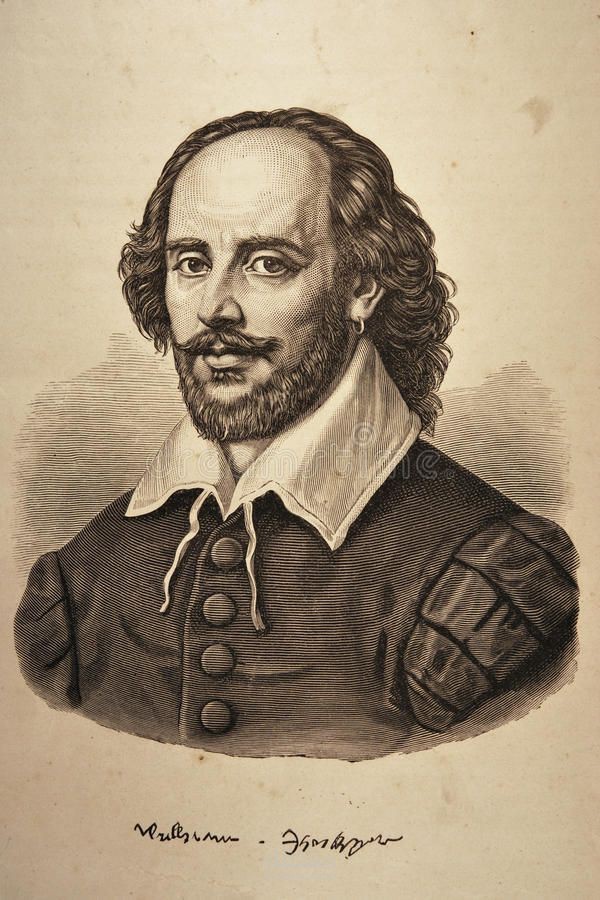
William Shakespeare: A Literary Luminary's Enduring Legacy
William Shakespeare, often referred to as the Bard of Avon, stands as a towering figure in the world of literature. Born in 1564 in Stratford-upon-Avon, England, Shakespeare's impact on the English language and the global literary landscape is immeasurable. His works, encompassing plays, sonnets, and poems, continue to be studied, performed, and celebrated, making him one of the most influential writers in history.
Shakespeare's dramatic repertoire includes 39 plays, ranging from tragedies like "Hamlet" and "Macbeth" to comedies like "A Midsummer Night's Dream" and "Twelfth Night." His works explore the complexities of human nature, delving into themes of love, power, jealousy, and the moral dilemmas that define the human experience.
One of Shakespeare's enduring strengths lies in his ability to craft characters that transcend time and cultural boundaries. Hamlet's existential struggles, Lady Macbeth's ruthless ambition, and Romeo and Juliet's tragic love story are just a few examples of characters whose universality resonates with audiences across centuries. The Bard's keen insight into the human psyche and his ability to capture the nuances of emotion contribute to the timeless appeal of his creations.
Shakespeare's language, characterized by rich poetry and eloquent prose, has left an indelible mark on the English language. Phrases like "to be or not to be," "all that glitters is not gold," and "star-crossed lovers" are just a few examples of expressions coined by Shakespeare that have become ingrained in everyday conversation. His linguistic contributions have shaped the way people communicate and continue to enrich the tapestry of the English language.
The Globe Theatre, where many of Shakespeare's plays were first performed, became a cultural hub in Elizabethan London. The collaborative nature of the theatrical experience in the 16th century allowed Shakespeare to engage with a diverse audience, contributing to the widespread popularity of his plays. Today, Shakespearean festivals and theater companies around the world ensure that his works remain alive on the stage, captivating new generations of theatergoers.
The sonnets of William Shakespeare, a collection of 154 poems, further showcase his mastery of language and exploration of themes such as love, time, and mortality. These lyrical expressions, written with intricate rhyme schemes and profound depth, offer a more intimate glimpse into the poet's reflective and introspective side. The sonnets remain a testament to Shakespeare's versatility as a writer, demonstrating his ability to excel in both the dramatic and poetic realms.
Shakespeare's legacy extends beyond the written word, influencing various art forms, including music, film, and visual arts. Countless adaptations and reinterpretations of his plays have been produced, demonstrating the enduring relevance and adaptability of his stories. Whether set in contemporary times or in alternative universes, Shakespeare's narratives continue to resonate with creators and audiences alike.
While the authorship debate surrounding Shakespeare's works persists, with some questioning whether one man could have produced such a vast and varied body of work, the consensus among scholars and literary enthusiasts remains that the plays and sonnets attributed to William Shakespeare constitute a cultural treasure.
In 1616, Shakespeare breathed his last, leaving behind a legacy that would shape the course of literature for centuries to come. His impact on drama, language, and storytelling is immeasurable, and his works continue to be celebrated, analyzed, and appreciated. As we traverse the pages of his plays and sonnets, we encounter a literary luminary whose enduring legacy ensures that the Bard of Avon will forever hold a place of honor in the pantheon of great writers.