Agatha Christie: The Queen of Crime Literature
تفاصيل العمل
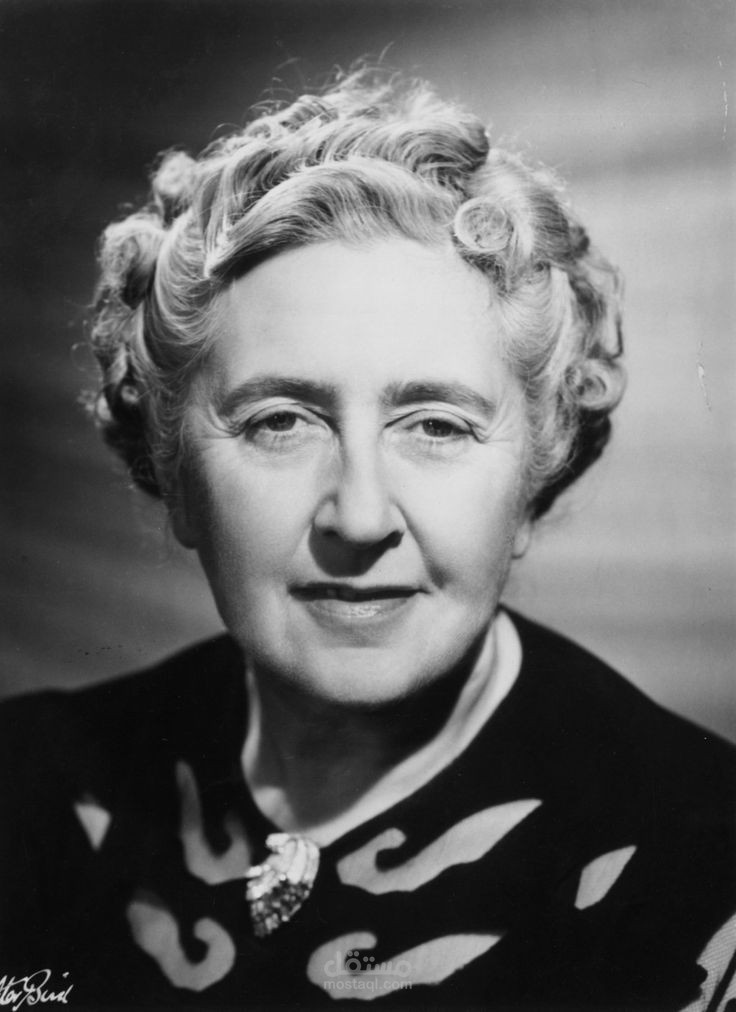
Agatha Christie: The Queen of Crime Literature
Agatha Christie, hailed as the Queen of Crime, left an indelible mark on the world of literature with her captivating mysteries and enduring characters. Born on September 15, 1890, in Torquay, England, Christie became one of the most prolific and widely read authors of the 20th century. Her literary legacy, characterized by ingenious plots, compelling characters, and a keen understanding of human psychology, continues to captivate readers across generations.
Christie's journey into the world of literature began with her first novel, "The Mysterious Affair at Styles," published in 1920. This novel introduced readers to her iconic detective, Hercule Poirot, a meticulous Belgian sleuth with a penchant for solving perplexing crimes. Poirot quickly became a literary sensation, featured in numerous novels and short stories that showcased Christie's unparalleled skill in crafting intricate whodunits.
One of Christie's notable contributions to the genre was her ability to create a variety of settings and characters, from the English countryside to exotic locales. Her novels often featured a cast of diverse personalities, each with motives and secrets, adding layers of complexity to her mysteries. "Murder on the Orient Express" (1934) and "Death on the Nile" (1937) exemplify her mastery in setting the stage for murder in unconventional environments.
Beyond Poirot, Christie introduced another beloved detective, Miss Jane Marple, an astute amateur sleuth with a knack for solving crimes in her quaint village of St. Mary Mead. The Miss Marple series, including "The Murder at the Vicarage" (1930) and "A Murder is Announced" (1950), showcased Christie's ability to create memorable characters and intricate plots outside the Poirot universe.
One of Christie's most famous works, "And Then There Were None" (1939), stands as a testament to her narrative prowess. This chilling tale of a group of strangers invited to an isolated island, only to face their own demise, remains a classic in the mystery genre. The novel's intricate plotting, coupled with its psychological depth, solidified Christie's reputation as a master storyteller.
Christie's influence extends beyond the written word. Her works have been adapted into countless films, television series, and stage productions, ensuring that her stories continue to reach new audiences. The enduring appeal of her mysteries lies in their timeless themes of deception, betrayal, and the unmasking of hidden truths.
While some critics initially dismissed Christie's work as mere entertainment, her impact on literature is undeniable. The intricacy of her plots and the cleverness of her solutions elevate her novels beyond traditional detective fiction. Her works reflect a keen understanding of human nature, showcasing the universal themes that resonate with readers from all walks of life.
Agatha Christie's prolific career spans six decades, during which she penned over 60 detective novels, numerous short stories, and several plays. Her ability to maintain a high standard of quality throughout her extensive body of work is a testament to her talent and dedication to the craft of storytelling.
In 1971, Agatha Christie passed away, leaving behind a literary legacy that continues to thrive. Her books remain in print, captivating new generations of readers who are drawn to the timeless allure of a well-crafted mystery. Agatha Christie's enduring influence on crime literature ensures that the Queen of Crime will reign supreme in the annals of literary history.