The global warming and the disadvantage on the earth
تفاصيل العمل
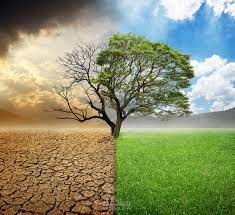
Advantages of Global Warming? It's a Bit of a Stretch
The so-called advantages of climate are out there—if you're really looking but do they compensate for the disruption and destruction wrought by the disadvantages? Again, the answer is no but for die-hard fans of the global warming trend, advantages might include the following suspect scenarios:
The Arctic, Antarctic, Siberia, and other frozen regions of the earth might experience more plant growth and milder climates.
The next ice age could possibly be prevented.
The Northwest Passage through the formerly icy Canadian Arctic Archipelago could arguably open up to transportation.
Fewer deaths or injuries would occur due to arctic conditions.
Longer growing seasons could mean increased agricultural production in some areas.
Previously untapped oil and gas reserves might become available.
Disadvantages: Ocean Warming, Extreme Weather
For every minutely possible advantage to climate change, there is a much more profound and compelling disadvantage. Why? Since the oceans and weather are highly interconnected and the water cycle has an impact on weather patterns (think air saturation, precipitation levels, and the like), what affects the ocean affects weather. For instance:
Changes in ocean circulation and the resulting warmer temperatures disrupt the world's normal weather patterns, bringing about more extreme weather and an increased frequency of severe and catastrophic storms, such as hurricanes and typhoons. The increase in severe storms leads to a more frequent occurrence of such things as "hundred-year floods," decimation of habitats and property, not to mention, loss of life—human and otherwise.
Higher sea levels lead to flooding of lowlands. Islands and coastlines are engulfed by water leading to death and disease due to flooding.
The acidification of warming oceans leads to a loss of coral reefs. Coral reefs protect shorelines from heavy waves, storms, and floods and while they only cover about 0.1% of the ocean floor, reefs provide a habitat for 25% of the ocean's species.2 Demolished reefs lead to increased erosion and coastal property damage and the extinction of species.
Warming ocean waters means increased melting of glaciers and ice sheets. Smaller ice sheets form each subsequent winter, which has a devastating impact on the habitat of cold-climate animals and the Earth's reserves of freshwater. (According to the United States Geography Survey [USGS], 69% of the Earth's ice is locked in ice and glaciers.)3
Less sea ice, warmer water, and increased acidity are catastrophic for krill which forms the base of the ocean's food web and feeds whales, seals, fish, and penguins. The plight of polar bears due to the loss of Arctic ice is well documented, but at the other end of the globe, in 2017 as a result of local climate change, in a colony of 40,000 Antarctic Adélie penguins, only two chicks survived.4 In 2013, in the wake of a similar event, none survived.5 Emperor penguin colonies are also expected to decline due to loss of sea ice and rising temperatures.
Disadvantages: Land Desertification
As weather patterns are disrupted and droughts intensify in duration and frequency, agricultural sectors are particularly hard hit. Crops and grasslands can't thrive due to lack of water. With crops unavailable, cattle, sheep, and other livestock don't get fed and die. Marginal lands are no longer useful. Farmers who find themselves unable to work the land lose their livelihoods. In addition:
Deserts become drier, leading to increased desertification, resulting in border conflicts in already water-scarce areas.
Decreased agricultural production leads to food shortages.
Starvation, malnutrition, and increased deaths result from food and crop shortages.