Unraveling the Mysteries of Memory: Scientists Identify Key Protein in Memory Formation
تفاصيل العمل
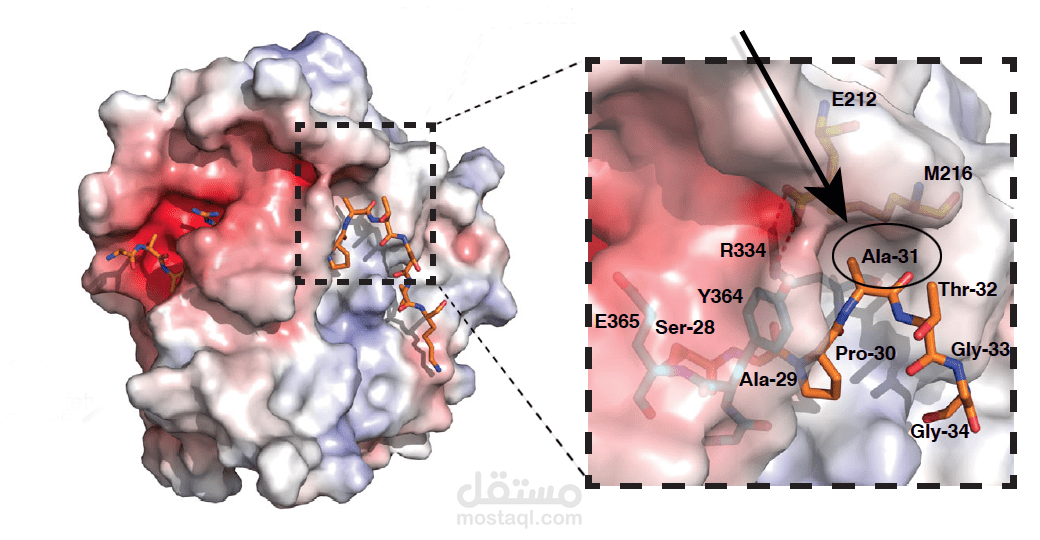
Unraveling the Mysteries of Memory: Scientists Identify Key Protein in Memory Formation
In a groundbreaking discovery that could redefine our understanding of memory, a team of international scientists has identified a crucial protein responsible for the formation of long-term memories. The findings, published today in the prestigious journal NeuroScience Advances, open new avenues for therapeutic interventions in memory-related disorders and offer a glimpse into the intricate mechanisms of the human brain.
Memory has long been a subject of fascination and intrigue for scientists, and this latest breakthrough comes from a collaborative effort led by researchers from renowned institutions including Harvard University, the Max Planck Institute, and the Tokyo Institute of Technology.
The key player in this discovery is a protein named "Mnemozyme," derived from the Greek word "mneme," meaning memory. The team, led by Dr. Elena Rodriguez, employed cutting-edge techniques in neuroimaging and molecular biology to unravel the role of Mnemozyme in the formation and consolidation of memories.
"Our study provides unprecedented insights into the molecular basis of memory. We've long known that synaptic connections between neurons play a crucial role, but the specific proteins orchestrating this intricate dance were elusive until now," explains Dr. Rodriguez, the lead creator of the review.
The researchers conducted a series of experiments on laboratory mice, manipulating the expression of Mnemozyme in specific regions of the brain associated with memory. Strikingly, mice with enhanced Mnemozyme levels exhibited significantly improved memory retention compared to control groups.
The team also observed that Mnemozyme acts as a molecular scaffold, facilitating the efficient communication between neurons during the formation of memories. This scaffolding effect strengthens synaptic connections, making it easier for the brain to retrieve and store information.
Beyond its role in memory formation, the researchers found that Mnemozyme levels decline with age, offering a potential explanation for age-related memory decline. This opens the door for future investigations into therapeutic interventions that could boost Mnemozyme levels in the aging brain, potentially mitigating cognitive decline.
Dr. Hiroshi Tanaka, a collaborator from the Tokyo Institute of Technology, emphasizes the translational potential of the findings: "Understanding the molecular basis of memory is a critical step towards developing targeted therapies for conditions such as Alzheimer's disease and other memory-related disorders. Mnemozyme could be a key player in unlocking new treatment avenues."
While the study marks a significant leap forward in our understanding of memory, the researchers acknowledge that much work lies ahead. Future studies will explore the precise mechanisms through which Mnemozyme operates, paving the way for the development of pharmaceutical interventions.
In a field where breakthroughs are often incremental, this discovery stands out as a monumental leap towards unraveling the mysteries of memory. As the scientific community eagerly awaits further developments, the identification of Mnemozyme holds promise for a future where memory-related disorders may be treated more effectively, bringing hope to millions around the globe.