Transplanting organs into the human body
تفاصيل العمل
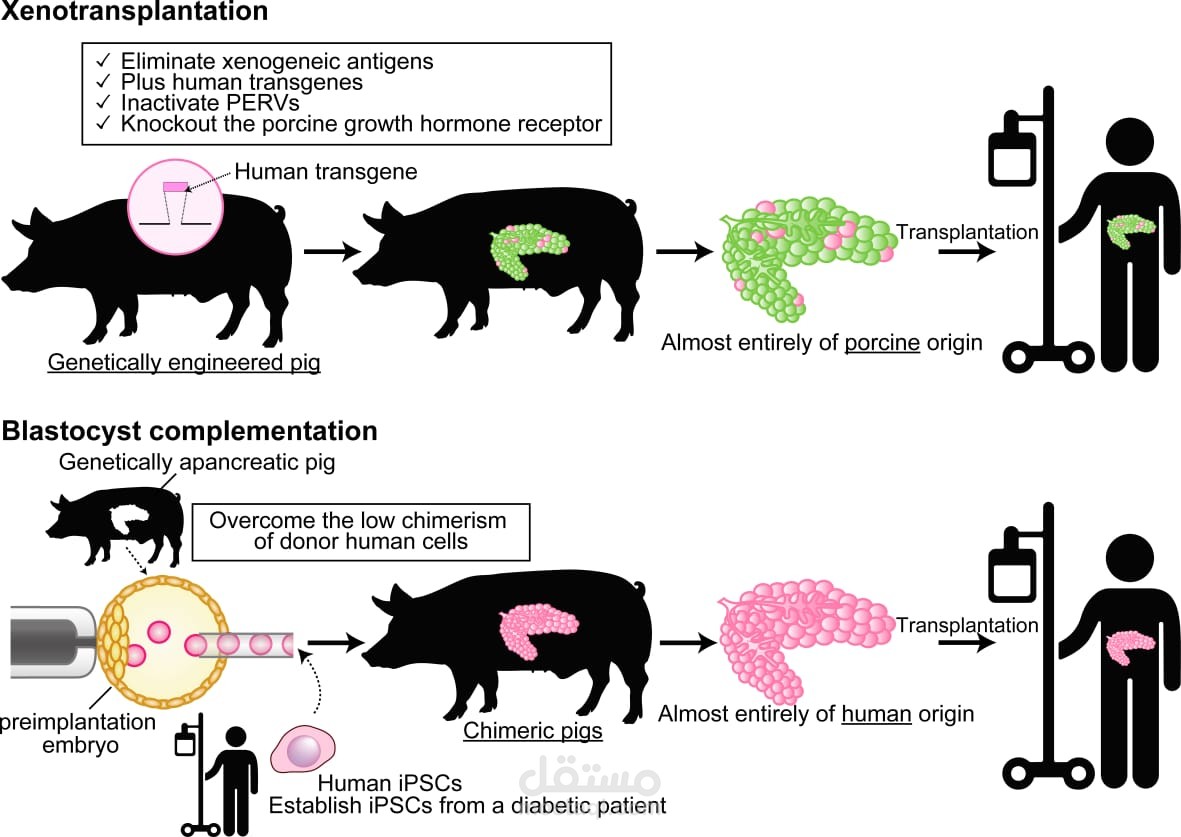
Title: Xenotransplantation: A Controversial Frontier in Organ Transplantation
Introduction:
Xenotransplantation, the transplantation of organs or tissues from animals to humans, has emerged as a potential solution to the growing demand for donor organs. While this field holds promise for addressing the shortage of human organs, it also raises ethical, medical, and societal concerns that warrant careful consideration.
Medical Potential:
Xenotransplantation offers the possibility of overcoming the limited supply of human organs for transplantation. Pigs, in particular, have been considered as potential donors due to their physiological and anatomical similarities to humans. With advancements in genetic engineering, researchers have explored modifying pig organs to make them more compatible with the human immune system, reducing the risk of rejection.
Challenges and Ethical Concerns:
Despite its potential benefits, xenotransplantation faces significant challenges. One of the main hurdles is the risk of cross-species transmission of viruses. Pigs can carry viruses that may be harmful to humans, raising concerns about the potential for new infectious diseases. Ensuring the safety of xenotransplantation requires rigorous screening, monitoring, and regulatory oversight.
Ethical concerns also surround the concept of using animals as organ donors. Questions about animal welfare, the moral implications of genetically modifying animals for human use, and the potential commodification of animals for organ harvesting have sparked debates within the scientific and ethical communities.
Regulatory Framework:
Governments and regulatory bodies play a crucial role in shaping the future of xenotransplantation. Establishing clear guidelines and regulations is essential to address safety, ethical, and societal concerns. Striking a balance between promoting scientific innovation and safeguarding public health is paramount in developing a responsible regulatory framework for xenotransplantation.
Public Perception:
Public acceptance and perception of xenotransplantation are vital factors influencing its implementation. Educating the public about the scientific advancements, ethical considerations, and potential benefits and risks is essential for fostering informed discussions and decisions. Public engagement can help shape policies that align with societal values and expectations.
Conclusion:
Xenotransplantation represents a frontier in organ transplantation that holds promise for addressing the critical shortage of donor organs. However, navigating the complex web of medical, ethical, and societal considerations is imperative. Through responsible research, robust regulatory frameworks, and transparent public engagement, the potential benefits of xenotransplantation may be realized while addressing the ethical and safety concerns associated with this innovative approach to organ transplantation.