FoodCode- فود كود
تفاصيل العمل
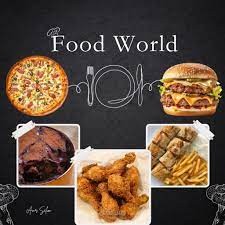
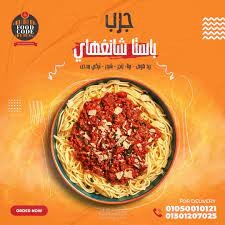
Through a passion for both programming and culinary experiences, I embarked on the journey of creating the Food Code Asal application. This profile highlights the key aspects of developing the application, focusing on the technical aspects and programming languages utilized.
Defining the Concept:
The inception of the Food Code Asal application was inspired by a desire to promote authentic local cuisine. With a vision of connecting users with traditional flavors, the concept took shape, setting the foundation for the development process.
Requirements Gathering:
To ensure the application's success, meticulous requirements gathering took place. This involved conducting market research, engaging with potential users, and identifying their needs and preferences. Gathering these insights was crucial for shaping the application's features and functionalities.
User Interface and User Experience Design:
The user interface (UI) and user experience (UX) design played a pivotal role in creating an engaging and intuitive application. Leveraging industry-standard design tools such as Adobe XD or Sketch, the UI/UX elements were carefully crafted, focusing on seamless navigation, appealing visuals, and an immersive experience for users.
Programming Languages and Technologies:
In the development process, I utilized a combination of programming languages and technologies to bring the Food Code Asal application to life. Some of the key programming languages employed include:
JavaScript: As a versatile language, JavaScript was used for both frontend and backend development. It facilitated interactive and dynamic user interfaces and powered server-side logic.
HTML/CSS: The backbone of web development, HTML and CSS were utilized to structure the application's layout and enhance its visual aesthetics. They played a crucial role in ensuring a responsive and user-friendly design.
Python: With its simplicity and readability, Python was employed for backend development, handling server logic, data management, and integration with databases.
Technologies and Frameworks:
To expedite development and enhance efficiency, a variety of frameworks and technologies were incorporated into the process, including:
React Native: Leveraging the power of React Native, a cross-platform framework, I developed the Food Code Asal application for both Android and iOS platforms. This allowed for code reusability and reduced the development time.
Firebase: To handle real-time data synchronization, user authentication, and file storage, Firebase, a powerful cloud-based platform, was integrated into the application architecture. It streamlined the development process and ensured secure data management.
RESTful APIs: By utilizing RESTful APIs, I facilitated seamless communication between the application and external services. This enabled features such as location-based services, payment gateways, and social media integration.
Quality Assurance and Deployment:
The application underwent rigorous testing, encompassing functional testing, performance testing, and usability testing. This was done to identify and rectify any issues or bugs, ensuring a stable and reliable user experience. Continuous integration practices were employed to streamline the testing and deployment processes.
Conclusion:
The creation of the Food Code Asal application exemplifies the successful application development process. By conceptualizing the idea, gathering requirements, employing a combination of programming languages, and leveraging suitable technologies and frameworks, I created a seamless, engaging, and user-friendly application. From UI/UX design to backend development, the integration of various programming languages and technologies, alongside robust testing and deployment practices, resulted in the realization of the Food Code Asal application, promoting local cuisine and connecting users with authentic culinary experiences.