Social Media Account Management
تفاصيل العمل
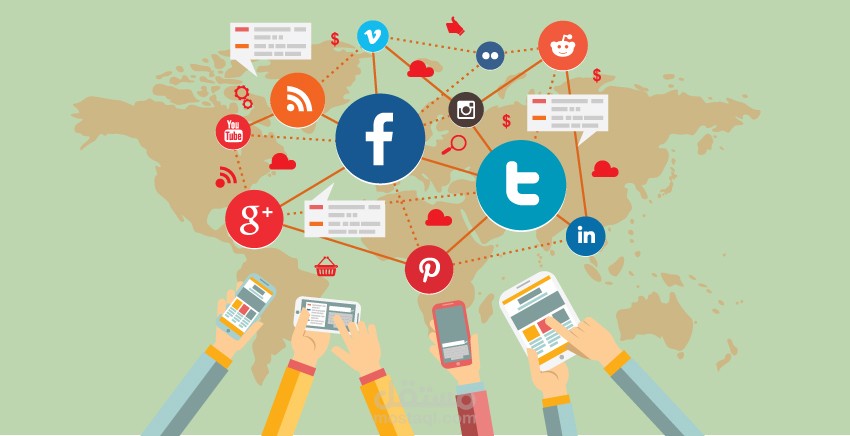




Social media management is a process that involves creating content, scheduling its publishment, developing a strategy, interacting with users, growing reach, and monitoring the performance of a company's accounts on social media. It enables you to build relationships with subscribers, and publish relevant posts.
Grow brand awareness. Connect with and build relationships with new and existing customers. Drive traffic to your website.
Implementation stages:
1. Understand your brand
A brand is the identity of your company, including your mission, core values, logo, name and customer experience. Understanding what your company stands for and how the public perceives your company is key to managing social media successfully.
2. Know your target audience
Knowing your target audience means you understand who the company is trying to reach with their service. Consider the target audience when crafting social media content to be sure they'll relate and engage with your posts.
When managing social media content, a target audience may not only be the group of people the company designed its services for. It can also include social media users who may be interested in your content. Reaching these people and your intended target audience can maximize the company's ROI for social media.
Consider these elements when determining who your target audience is:
Demographics: The age, gender, race and socioeconomic information such as employment, marital status and education
Interests: Hobbies, entertainment and topics that a person enjoys
Challenges: Struggles your ideal customer faces. This is usually the problem the company's product or service solves.
3. Set goals
Setting goals helps guide how you are managing social media accounts and provides a metric for success. Goals can help maintain your budget and hold you accountable. Use the SMART method to set better goals:
Specific: Define your goal.
Measurable: Use metrics to track your goal.
Achievable: Be sure you have the resources to reach your goal.
Realistic: Set a goal that is possible for you and the company.
Time-sensitive: Give the goal a time-frame in which it needs to be reached.
4. Create accounts on multiple platforms
Having an account on multiple platforms extends your reach. Instagram, Facebook, Pinterest, LinkedIn and YouTube are among the most popular for business. Posting content on these platforms can diversify the type of content you share and ensure that you connect with existing and potential customers.
5. Engage with your audience
Engaging with your audience on social media is important to building a relationship with customers. Companies that do this provide a greater customer experience, which can increase revenue. Ways to engage your social media audience include:
Answering their questions
Asking them questions to get opinions
Creating games they can play
Organize contests
Offer exclusive discounts and promotions
Recognize customers specially
Allow audience-generated content
Be human in all your posts and interactions
6. Create quality content
Your target audience is more likely to engage with relatable, creative content that informs and entertains. Consider also creating content designed specially for each platform, for example: a video may perform best on YouTube and Facebook, while photos are best suited for Instagram. A way to ensure quality content is to place members responsible for each aspect of content generation. Here are roles to consider assigning:
Content manager: Develops strategy for creating and publishing content
Content creator: Produces video, text, info graphics and other medias for company
Content editor: Evaluates content for accuracy, design and quality
7. Develop advertisements
Developing an advertisement strategy can help reach more social media users, engage the audience and provide a greater return on investment. Many social media platforms have built-in features to create and track ads, making it easier to develop advertisements for the company.
8. Analyze social media metrics
Analyzing social media metrics is an important step to determine how successful your social media usage has been. Here are the metrics to consider:
Engagement: The number of interactions your content received from social media users
Impressions: The number of times social media users could see your content on their timeline, feed or page
Conversions: How many times a person made a purchase after clicking on your content
Response rate: The time it took for the social media team to answer messages from the social media users
Work tasks: analyzing engagement data , identifying trends in customer interactions and planning digital campaigns to build community online.
results: I see great results within 4-6 months. This being said, I don’t want to make this sound simple. This takes a ton of effort and hours of work each week to see really good results.
In addition, we have accomplished our goal, increase followers, Increase customers and know more about the clinic .and its services