trenning website
تفاصيل العمل
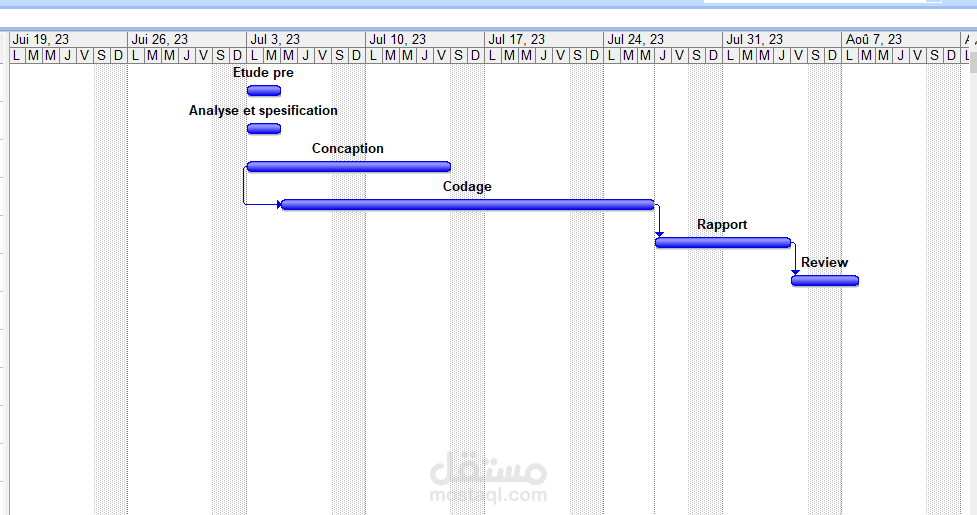
A web project training website is a platform designed to provide education, resources, and practical training to individuals or groups interested in learning about web development and related skills. Such a website typically serves as an online hub for web development enthusiasts, beginners, and professionals looking to expand their knowledge and improve their skills in various aspects of web development. Here's an explanation of the key components and features of a web project training website:
Course Catalog: The website offers a catalog of courses covering a wide range of topics related to web development. These courses may include HTML, CSS, JavaScript, front-end and back-end development, web frameworks, database management, responsive design, and more. Each course is usually accompanied by a detailed description, learning objectives, and prerequisites.
Video Tutorials: Many training websites provide video tutorials that walk learners through specific concepts and coding exercises. These tutorials are often created by experienced web developers and instructors and offer a visual, step-by-step learning experience.
Interactive Coding Exercises: To reinforce learning, the website may include interactive coding exercises or coding challenges. Learners can practice what they've learned in a hands-on manner and receive immediate feedback on their code.
Quizzes and Assessments: Periodic quizzes and assessments help learners evaluate their understanding of the material. These assessments may be used to track progress and provide a sense of achievement as learners complete each course or module.
Project-Based Learning: A significant aspect of web development is working on projects. A training website may offer project-based courses or encourage learners to work on real-world projects, providing guidance and resources to support them.
Discussion Forums and Community: Building a sense of community is important in web development training. Discussion forums or community features allow learners to ask questions, share experiences, and collaborate with peers. Instructors or moderators often participate in these discussions to provide guidance.
Certifications and Badges: Some training websites offer certifications or badges upon successful completion of courses or projects. These credentials can be valuable for showcasing one's skills to potential employers.
Resource Library: In addition to courses, the website may provide a library of articles, e-books, documentation, and other reference materials to support ongoing learning.
Responsive Design: The website itself should demonstrate good design practices, including responsive design to ensure that it functions well on various devices and screen sizes.
User Progress Tracking: Learners can track their progress through courses and modules, seeing what they've completed and what they have left to finish.
Personalized Learning Paths: Some websites offer personalized learning paths based on a learner's goals and skill level. This helps users navigate the vast amount of content and focus on what's most relevant to them.
Feedback and Reviews: Users may have the opportunity to provide feedback and reviews on courses and tutorials, helping others make informed choices about their learning journey.
Subscription or Pay-Per-Course Models: Depending on the website's business model, users may pay for access to individual courses, subscribe to the entire platform, or have access to a combination of free and premium content.
Overall, a web project training website aims to empower individuals with the knowledge and skills needed to succeed in web development, whether as a career path or for personal growth and interest in technology. It provides a structured and supportive environment for learning and skill development in a rapidly evolving field.