Toyota Supra
تفاصيل العمل
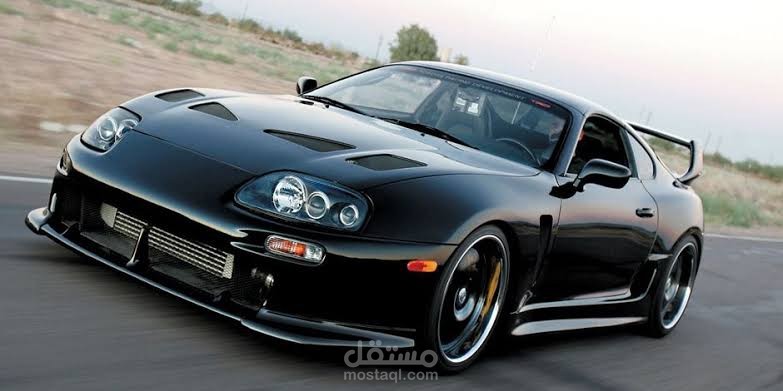
# Toyota Supra: History and Specifications of the Japanese Legend The Toyota Supra is a sports car that was first manufactured in Japan in 1978 and continued production until 2002, before returning again in 2019. The Supra is one of the legendary Japanese sports cars that have gained worldwide fame, thanks to Its outstanding performance and attractive design. In this article, we will learn about the history of the Toyota Supra and its different specifications over the generations. ## First Generation (1978-1981): Celica Supra At first, the Toyota Supra was simply a luxury version of the Toyota Celica. It debuted in Japan in 1978 under the name Celica Supra. It featured a 2.6-liter 6-cylinder engine that produced 110 horsepower. ## Second Generation (1981-1986): Design and Performance Evolution In the second generation, the Supra's design changed in terms of dimensions and exterior design with performance improvements. It was equipped with a 6-cylinder engine with a capacity of 2.8 liters and a capacity ranging from 145 to 161 horsepower. A turbo version was also offered in some markets. ## Third Generation (1986-1993): Supra with a New Concept In the third generation, the Toyota Supra was separated from the Celica, becoming an independent sports car with an all-new design and better performance. Toyota Supra launched the third generation with a 6-cylinder engine with a capacity of 3 liters and a power ranging from 200 to 230 horsepower, with twin turbos in some versions. ## Fourth Generation (1993-2002): The Legend Is Made The fourth generation Toyota Supra is the most popular and advanced in terms of design and performance. It was equipped with a 6-cylinder engine with a capacity of 3 liters and a power ranging from 220 to 320 horsepower. A twin-turbo version with 320 hp was also offered. This version has gained wide popularity in the racing and speed scenes. ## Fifth Generation (2019-present): The Return of the Legend