urbanization phenomenon
تفاصيل العمل
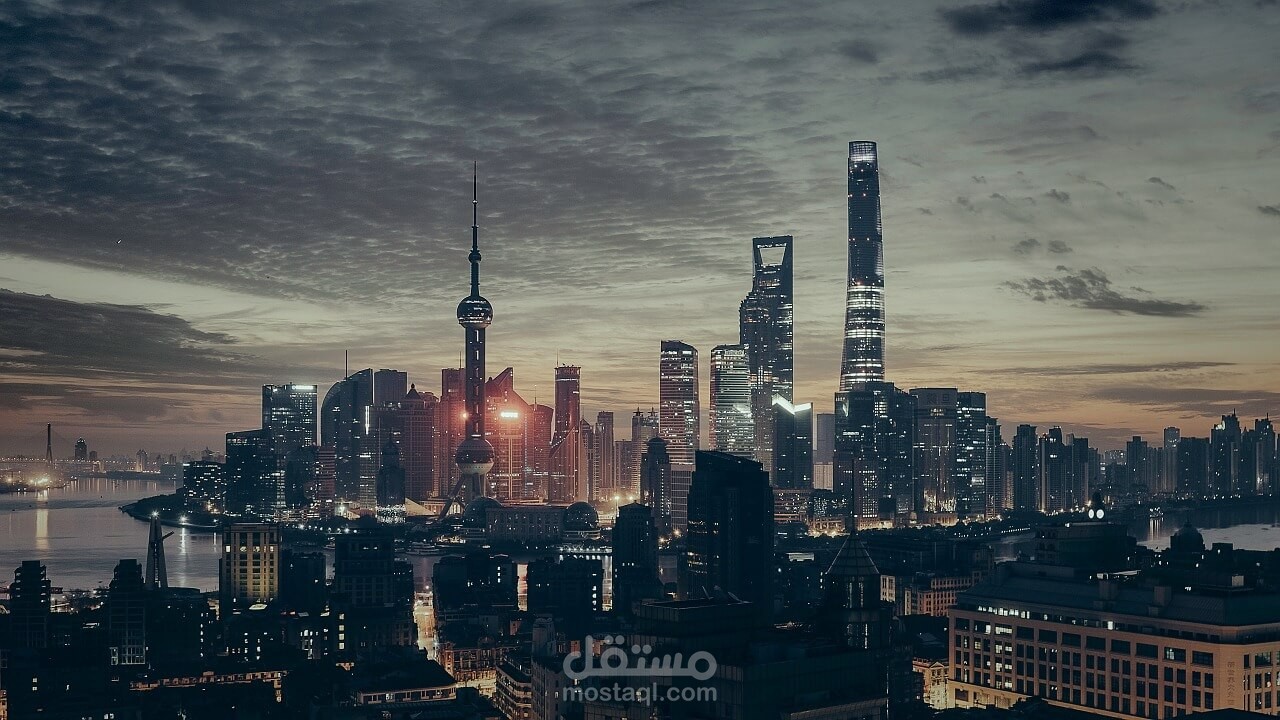
Certainly! Urbanization is a fascinating and complex phenomenon that has been shaping the world for centuries. It refers to the process of people moving from rural areas to cities and the subsequent growth of urban areas. Today, more than half of the world's population lives in cities, and the trend towards urbanization is only expected to continue in the coming years.
There are a number of factors that have contributed to the phenomenon of urbanization. One of the primary drivers is economic development. Cities have historically been centers of commerce and industry, and as societies become more developed, people are drawn to these urban areas in search of better job opportunities and higher wages. This, in turn, creates a positive feedback loop, as more people moving to cities creates more economic growth, which attracts even more people.
Another factor contributing to urbanization is technology. As transportation and communication technologies have improved, it has become easier for people to move to cities and for cities to become connected with one another. The rise of the internet and the digital economy has also played a role, as it has made it possible for many types of work to be done remotely, which has allowed people to live in cities without having to physically commute to an office.
Urbanization has many benefits, but it also poses a number of challenges. One of the most pressing issues is the strain that rapid urbanization can place on infrastructure and public services. As cities grow, they require more resources and more infrastructure to support their populations. This can lead to congestion, pollution, and other environmental problems, as well as difficulties in providing adequate housing, healthcare, and education for all residents.
Another challenge of urbanization is social inequality. While cities can offer many opportunities for economic advancement, they can also be breeding grounds for poverty and social unrest. As cities become more crowded, housing prices can skyrocket, making it difficult for low-income families to find affordable housing. In addition, the concentration of wealth and resources in urban areas can exacerbate income inequality and social divisions.
Despite these challenges, the trend towards urbanization is likely to continue in the coming years. As developing countries continue to grow and modernize, more and more people will be drawn to cities in search of economic opportunity and a better quality of life. To ensure that this process is sustainable and equitable, policymakers and urban planners will need to focus on creating livable, inclusive cities that can provide for the needs of all residents.